Algae Protein Cultivation Systems & Technology
Back to Knowledge CenterEquipment Comparison

Algae Protein Cultivation Systems & Technology

Dr. James Liu March 24, 2026 9 min read
algae photobioreactor cultivation spirulina chlorella

Comparing open raceway ponds, closed photobioreactors, and heterotrophic fermenters for commercial algae protein production.

Why Algae Protein?


Microalgae and cyanobacteria offer one of the most sustainable protein sources on the planet. Species like Chlorella, Spirulina, and Nannochloropsis can produce 50–70% protein by dry weight while fixing CO2 and requiring minimal arable land.

Cultivation Systems Compared


1. Open Raceway Ponds

  • Simple, low-cost construction
  • Large surface area for light exposure
  • Limited species control (contamination risk)
  • Low productivity (10–20 g/m²/day)
  • Best for hardy species: Spirulina, Dunaliella
  • Cost: $0.3–1.0/kg dry weight

  • 2. Closed Tubular Photobioreactors (PBR)

  • Enclosed system, better contamination control
  • Higher productivity (20–40 g/m²/day)
  • Better light distribution
  • Higher capital and operating costs
  • Temperature control challenges
  • Cost: $2–8/kg dry weight

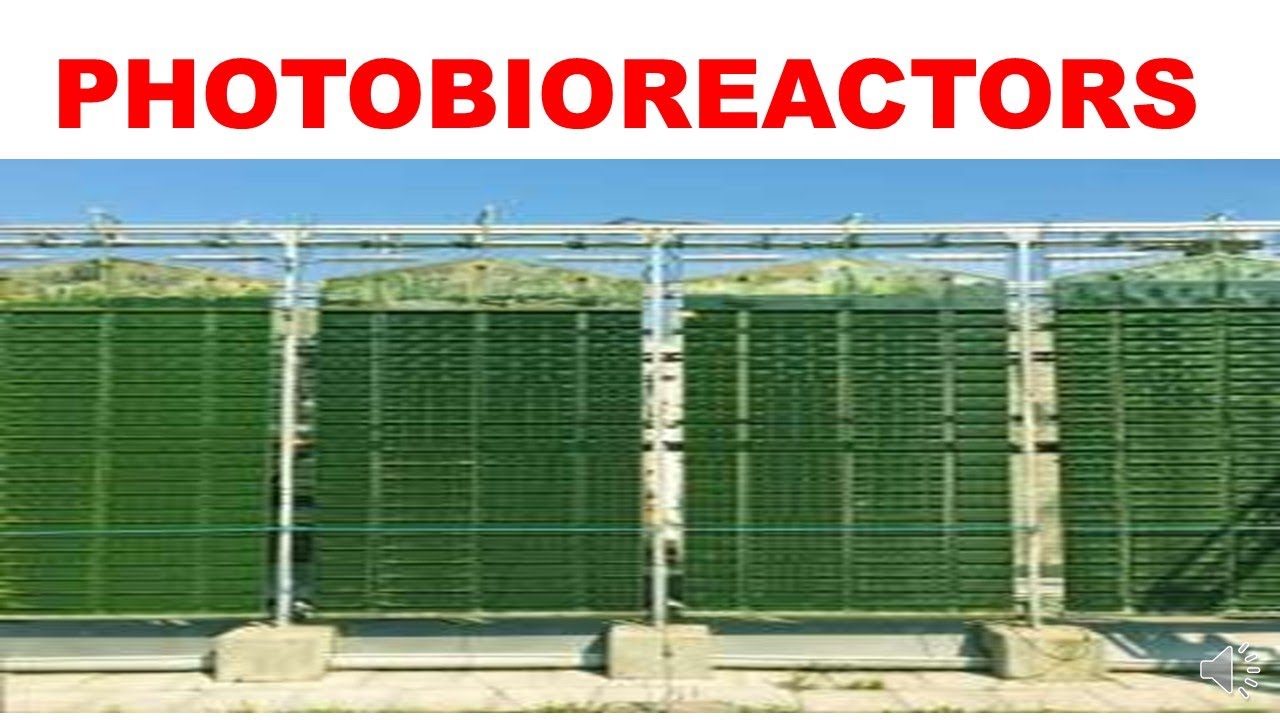
  • 3. Flat-Panel Photobioreactors

  • Thin-layer design for optimal light utilization
  • Very high cell densities achievable
  • Excellent for research and small production
  • Scaling challenges
  • Cost: $3–10/kg dry weight

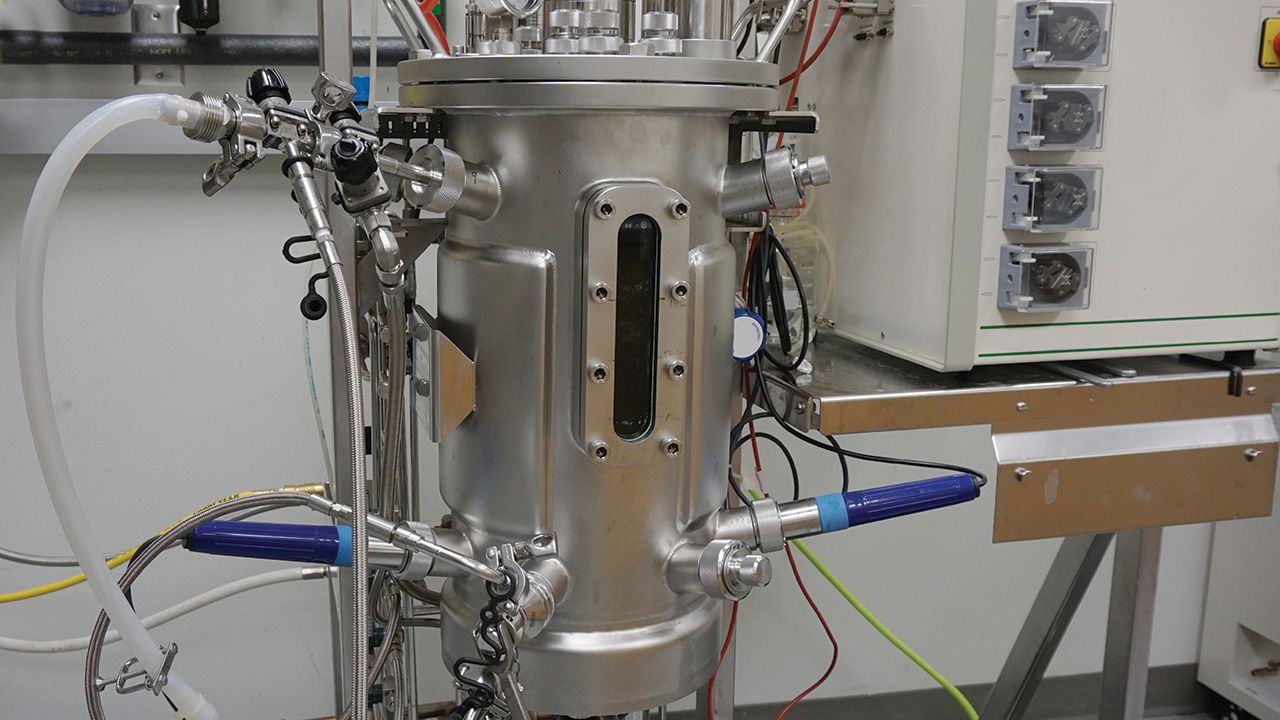
  • 4. Heterotrophic Fermenters

  • No light required — uses sugar as energy source
  • Very high productivity and cell density
  • Standard fermentation equipment applicable
  • Limited to certain species
  • Cost: $1–4/kg dry weight

  • Downstream Processing


  • **Cell disruption**: Bead milling, high-pressure homogenization
  • **Extraction**: Aqueous, enzymatic, or solvent-based
  • **Purification**: Membrane filtration, chromatography
  • **Drying**: Spray drying or freeze drying

  • Market Applications


  • Protein supplements and powders
  • Food coloring (phycocyanin from Spirulina)
  • Omega-3 fatty acids (DHA from Schizochytrium)
  • Animal feed ingredients
  • Cosmetics and nutraceuticals