All Technologies
Biomass Fermentation
Biomass fermentation utilizes the rapid growth of microorganisms to produce large quantities of protein-rich biomass. Unlike precision fermentation, the entire microorganism is harvested and processed, making it a highly efficient method for generating protein at scale. This approach leverages fungi, bacteria, and yeast to convert simple sugars and other feedstocks into nutritious, high-protein food ingredients.
Process Overview
- 1Choice of Raw Material: Selecting a suitable feedstock
- 2Pretreatment: Breaking down complex biomass
- 3Hydrolysis: Converting complex carbohydrates into simple sugars
- 4Fermentation: Growing microorganisms in a fermenter
- 5Product Recovery: Harvesting and processing the biomass
Key Equipment
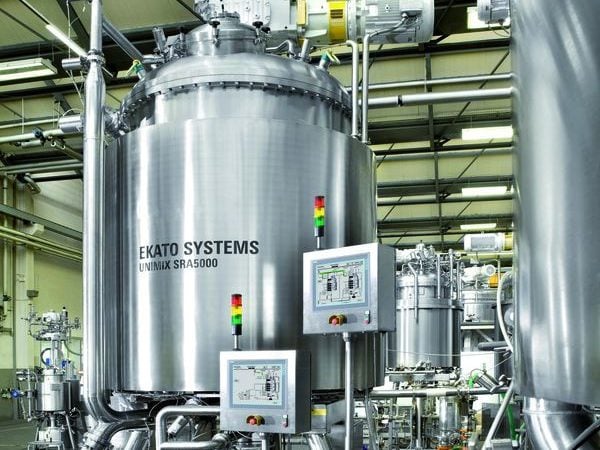
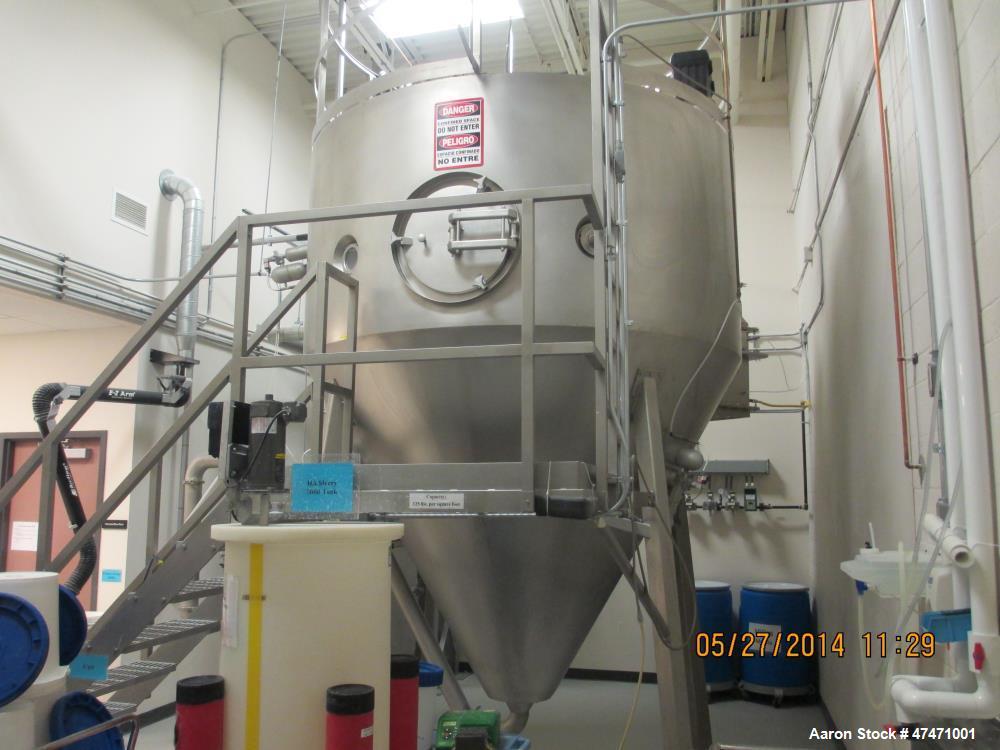
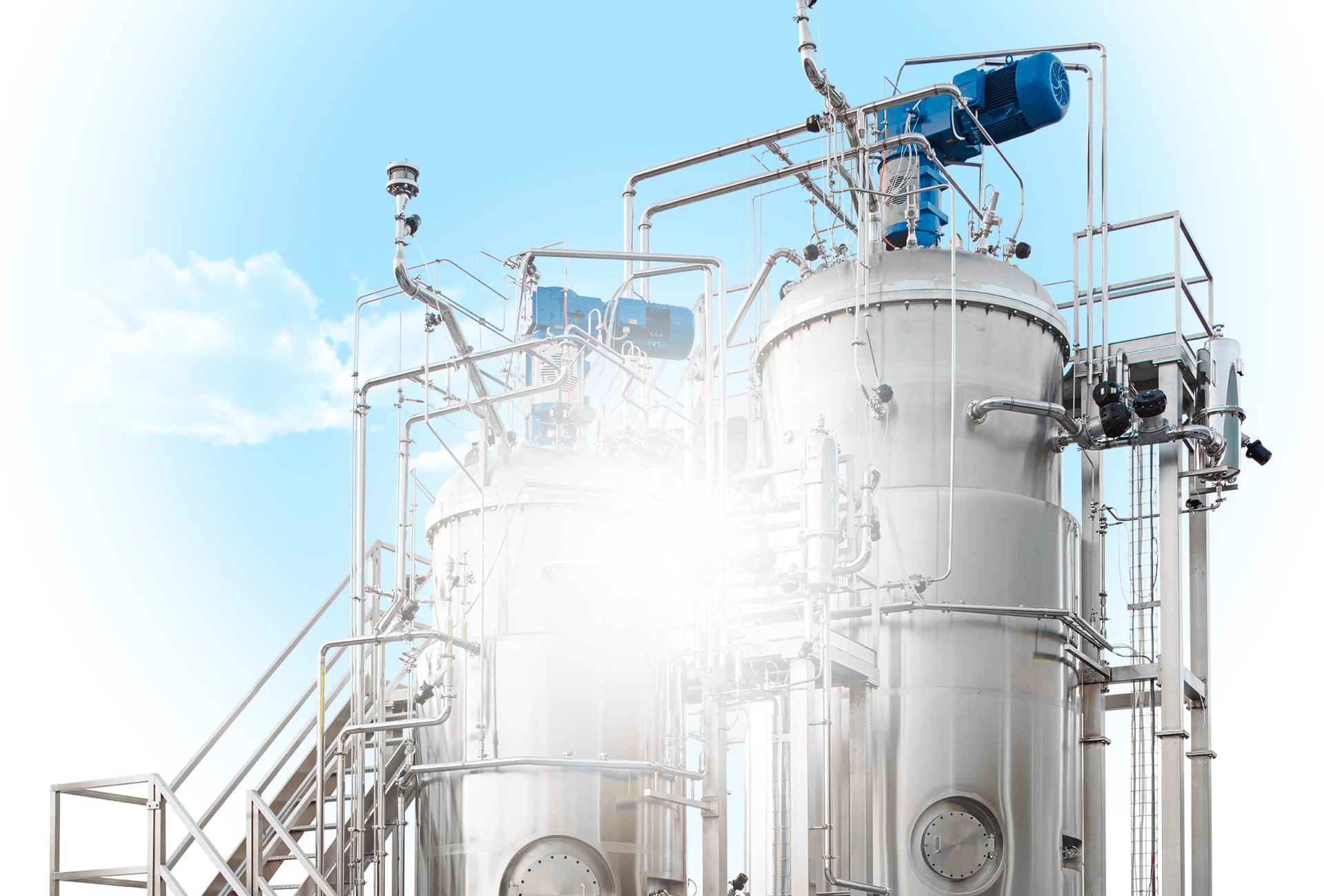
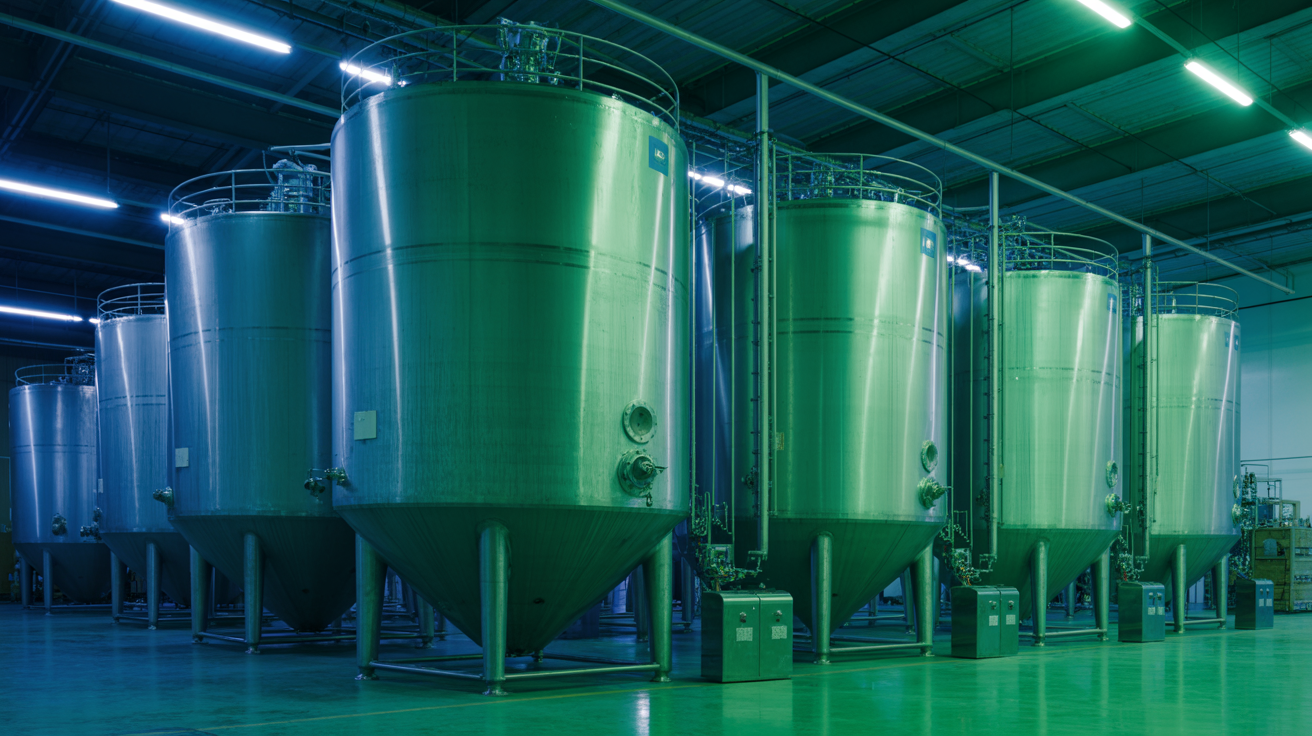
- Bioreactors/Fermenters
- Pretreatment equipment
- Hydrolysis reactors
- Distillation columns
- Drying systems
Applications
- Alternative protein ingredients
- Renewable energy (bioethanol, biogas)
- Bioplastics
- Animal feed and biofertilizers
Benefits
- Sustainability and waste utilization
- Reduced reliance on fossil fuels
- Continuous production capability
- High yields with optimization
Challenges
- Pretreatment costs and energy intensity
- Microorganism limitations
- High solids loading
- Downstream processing costs