All Technologies
Precision Fermentation
Precision fermentation uses genetically engineered microorganisms to produce specific organic molecules such as proteins, fats, and vitamins. By programming microbes to act as miniature factories, this technology can create animal-free versions of dairy proteins, collagen, heme, and other complex molecules. It represents one of the most promising approaches for creating identical molecular copies of animal-derived ingredients without any animal involvement.
Process Overview
- 1Target & Host Selection: Identifying the desired molecule and a suitable microbial host
- 2Metabolic Engineering/Strain Development: Genetically engineering the microbe
- 3Feedstock Selection: Choosing a suitable carbon source for the microbes
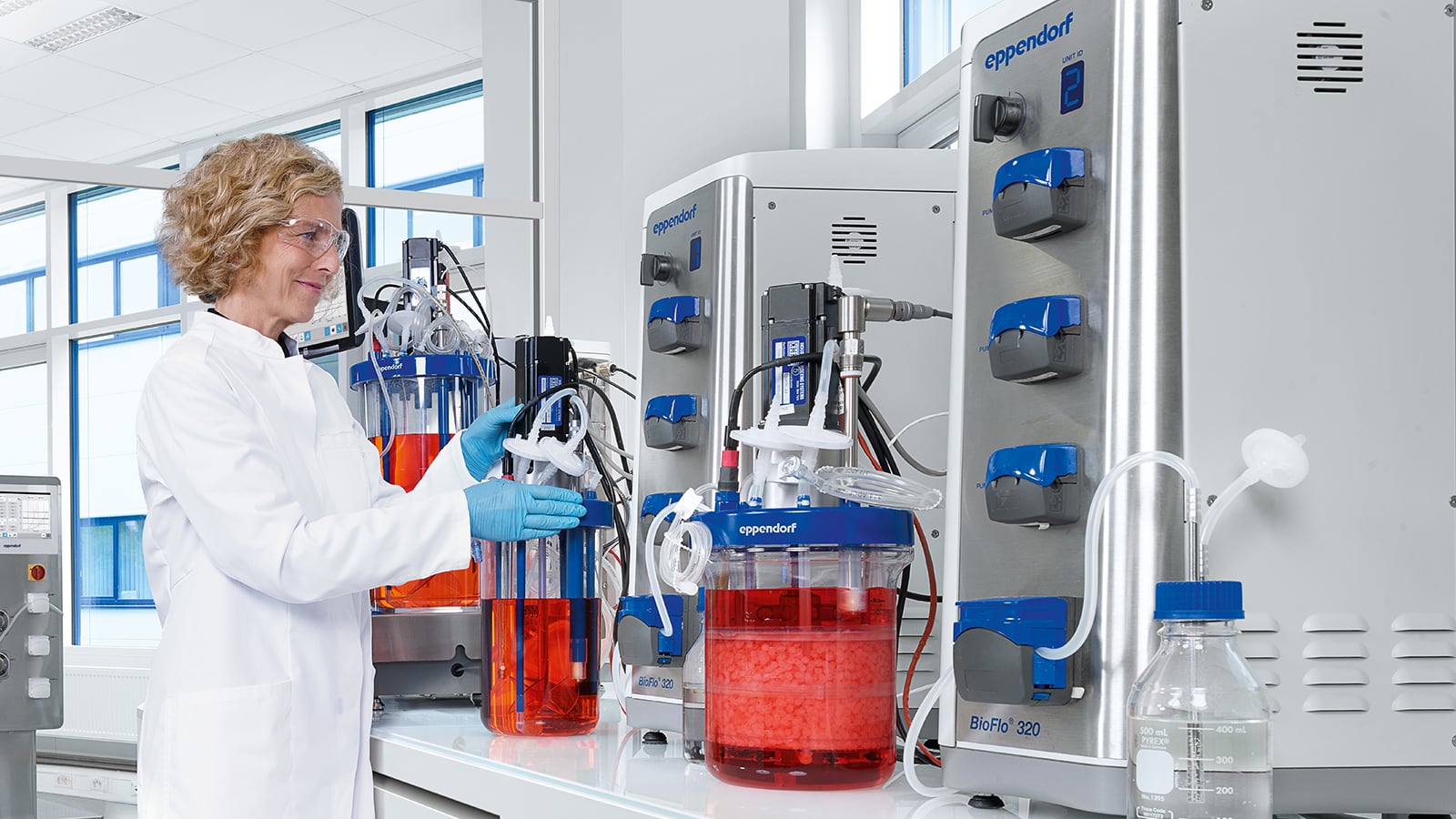
- 4Fermentation: Growing the microbes in a bioreactor
- 5Downstream Processing: Separating and purifying the target molecule
- 6Scale-up: Moving from lab-scale to industrial-scale production
Key Equipment
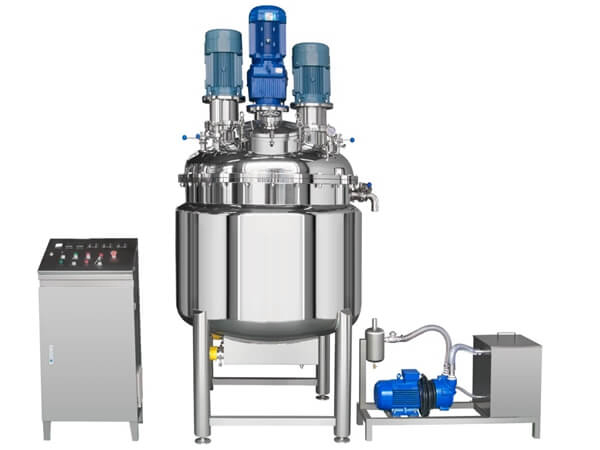
- Bioreactors (Fermenters)
- Pumps and tubing systems
- Sensors and control systems
- Purification equipment (centrifuges, chromatography)
Applications
- Alternative dairy proteins
- Fats and oils
- Enzymes for cheesemaking
- Vitamins and antioxidants
- Biofuels and biomaterials
Benefits
- High precision and purity of final product
- Reduced environmental impact
- Animal-free production
- Customizable product characteristics
Challenges
- Scalability and high capital investment
- High product prices at scale
- Public perception of GMOs
- Regulatory hurdles