All Technologies
Plant-Based Proteins
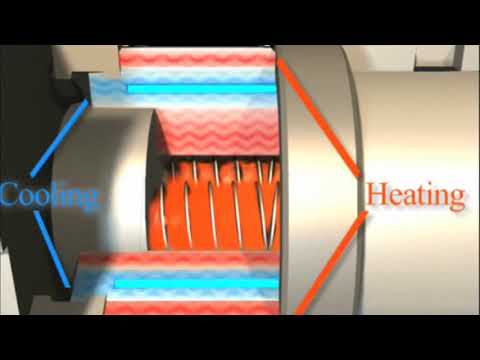
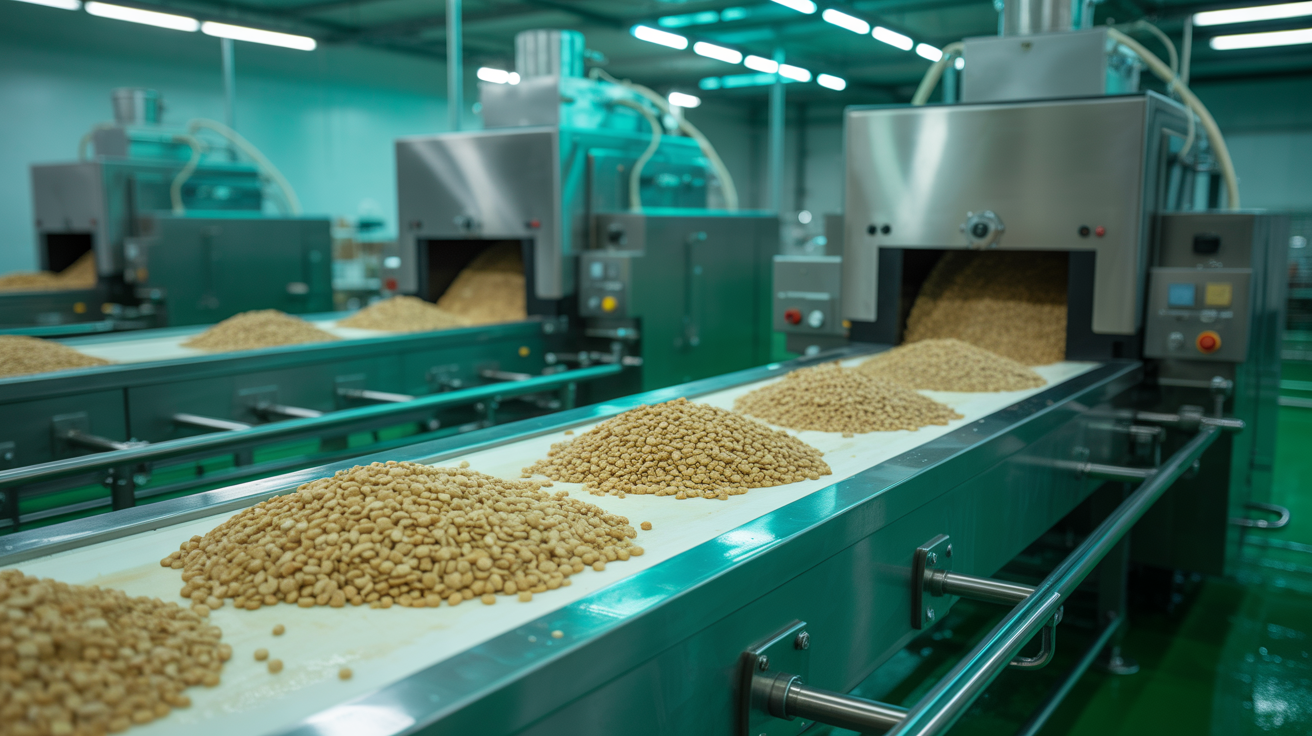
Plant-based proteins are derived from various plant sources like soy, peas, wheat, and rice. They are processed using extrusion technology to mimic the texture and taste of conventional meat products. The global plant-based protein market has seen explosive growth, driven by consumer demand for sustainable and healthier food options. Modern extrusion processes use moisture, high heat, and mechanical energy to transform plant protein powders into meat substitutes with remarkably similar texture profiles to animal protein.
Process Overview
- 1Mixing and Pre-conditioning: Plant protein powders are mixed with water, steam, and/or oil
- 2Extrusion: The mixture is fed into a twin-screw extruder for cooking and texturing
- 3Cutting and Shaping: The extruded product is cut and shaped into desired forms
- 4Further Processing: Marinating, coating, and cooking to enhance flavor and texture
- 5Packaging: The final product is packaged for distribution
Key Equipment
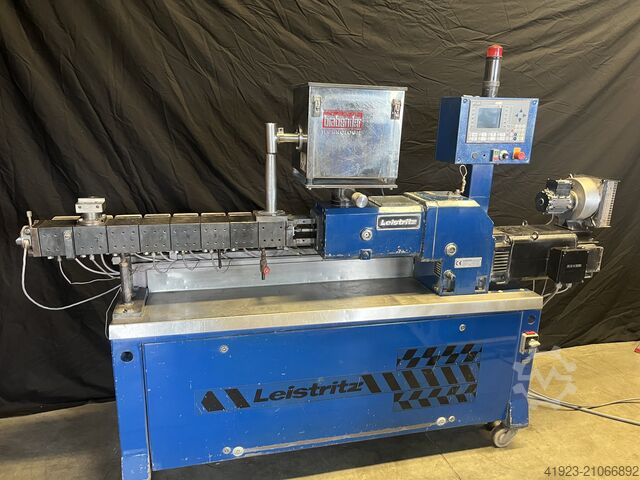
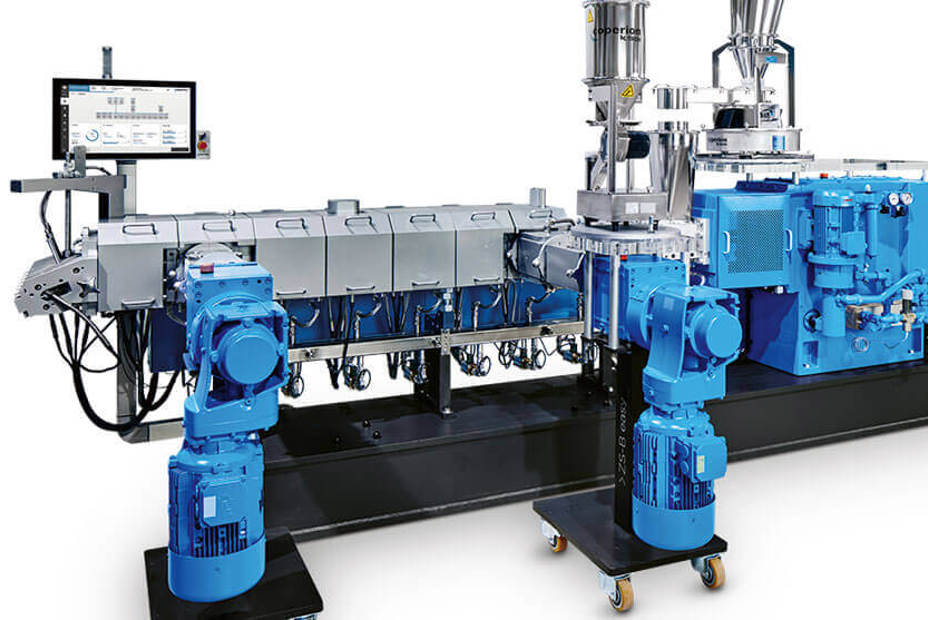
- Twin-screw extruder
- Boiler system
- HVAC system
- Mixing and blending tanks
- Packaging machinery
Applications
- Meat substitutes (burgers, sausages)
- Dairy alternatives (milk, cheese)
- Nutrient supplements
- 3D food printing
- Bioplastics and packaging films
Benefits
- More abundant and affordable than animal proteins
- Lower environmental impact
- Rich in nutritional compounds
- Versatile applications in food and other industries
Challenges
- Scaling up production
- Managing ingredient handling (allergens)
- Ensuring food safety
- Off-flavors and allergies