Discover the technologies shaping the future of sustainable protein production.
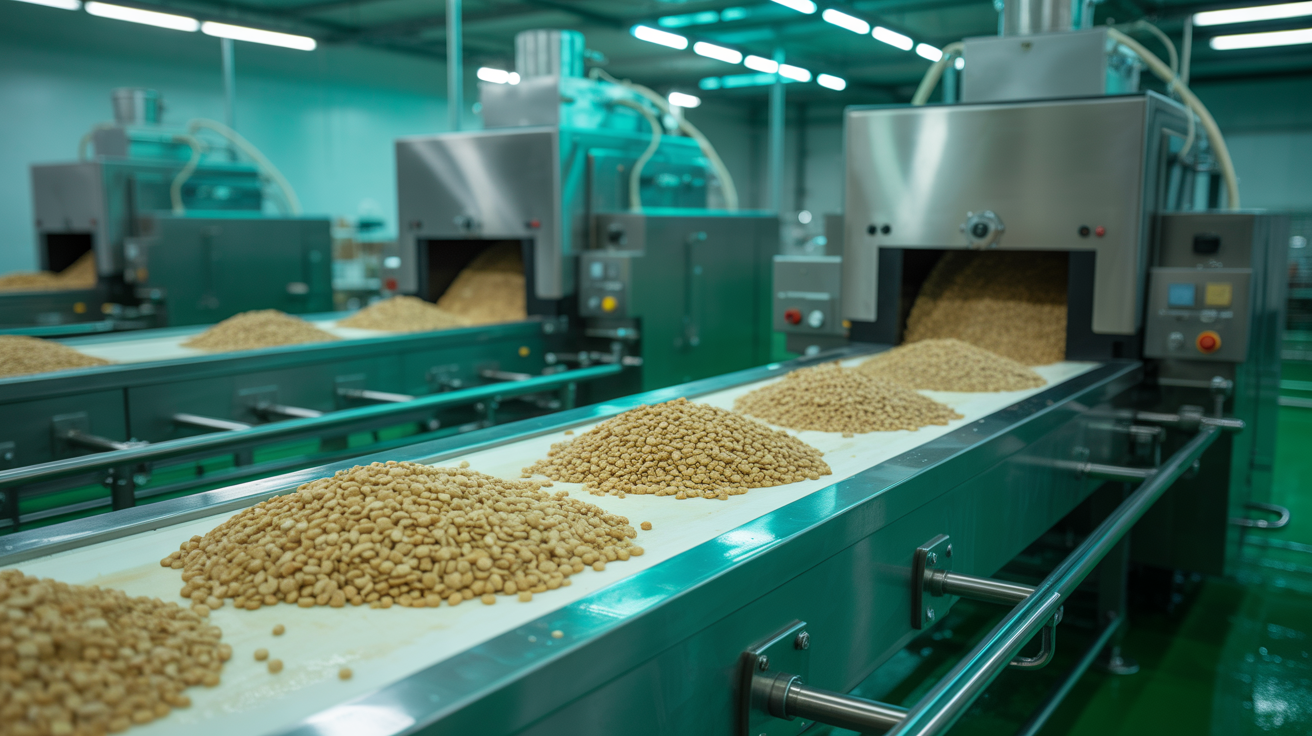
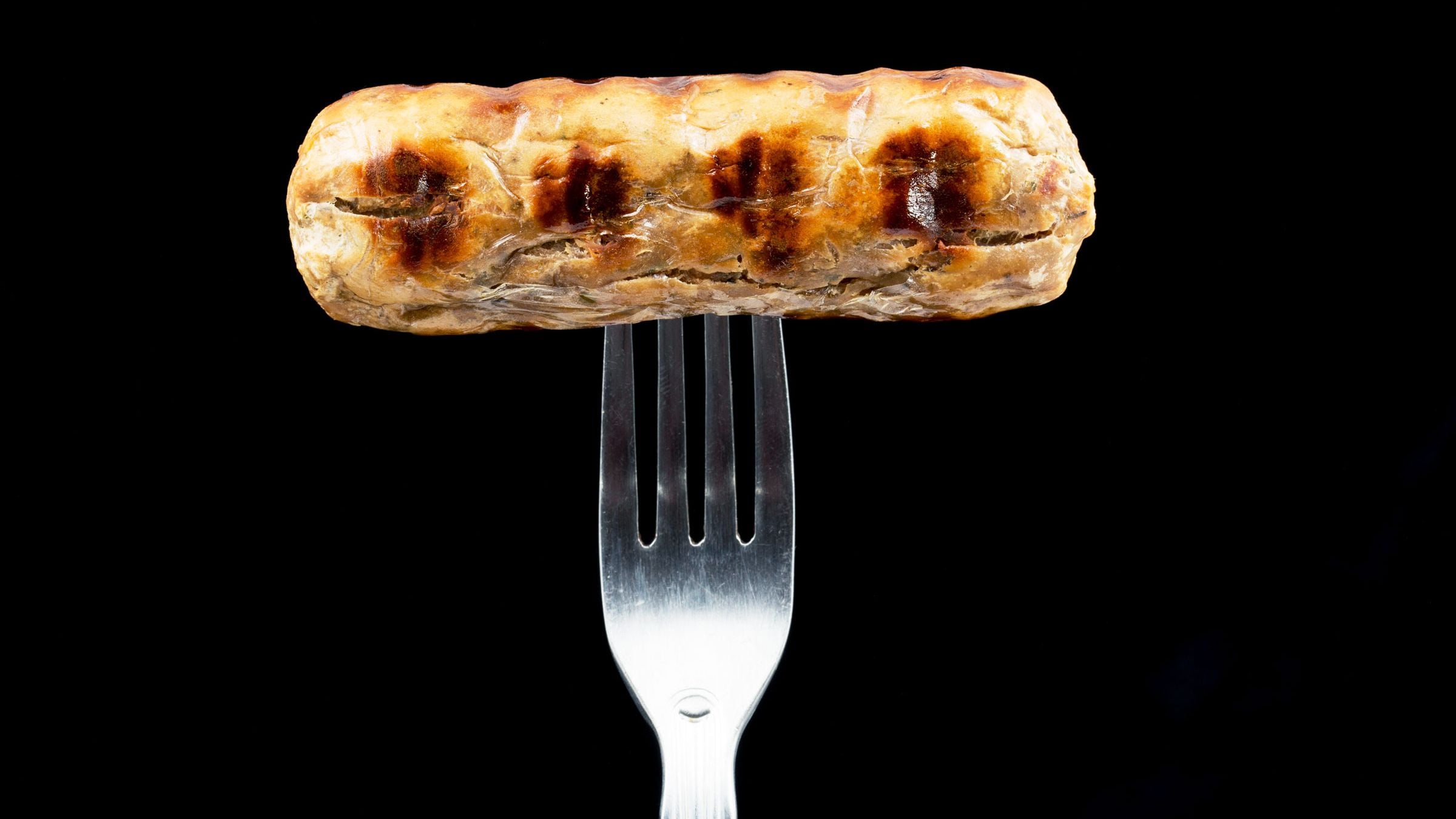
Plant-based proteins are derived from various plant sources like soy, peas, wheat, and rice. They are processed using extrusion technology to mimic the texture and taste of conventional meat products. The global plant-based protein market has seen explosive growth, driven by consumer demand for sustainable and healthier food options. Modern extrusion processes use moisture, high heat, and mechanical energy to transform plant protein powders into meat substitutes with remarkably similar texture profiles to animal protein.
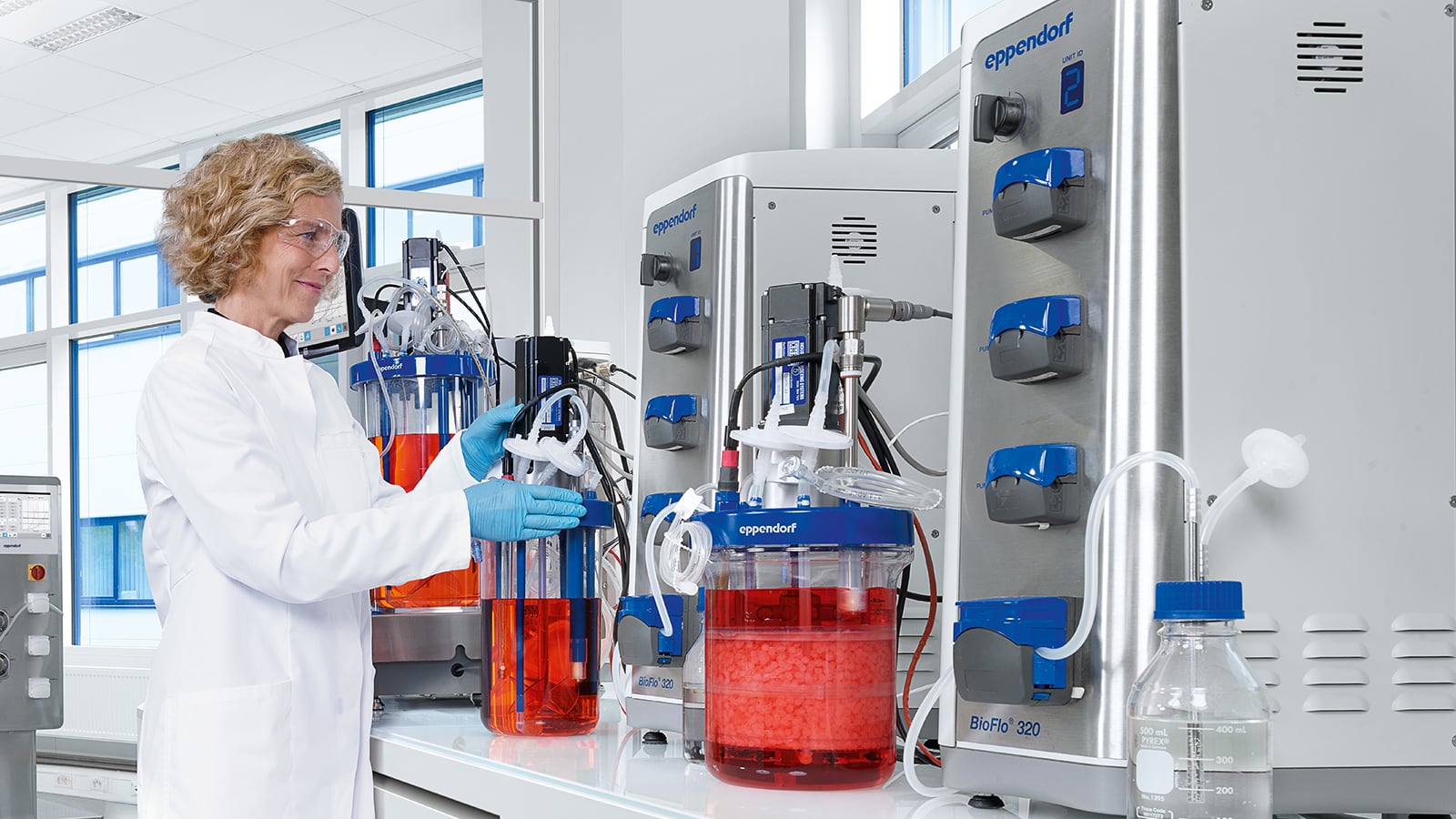
Precision fermentation uses genetically engineered microorganisms to produce specific organic molecules such as proteins, fats, and vitamins. By programming microbes to act as miniature factories, this technology can create animal-free versions of dairy proteins, collagen, heme, and other complex molecules. It represents one of the most promising approaches for creating identical molecular copies of animal-derived ingredients without any animal involvement.
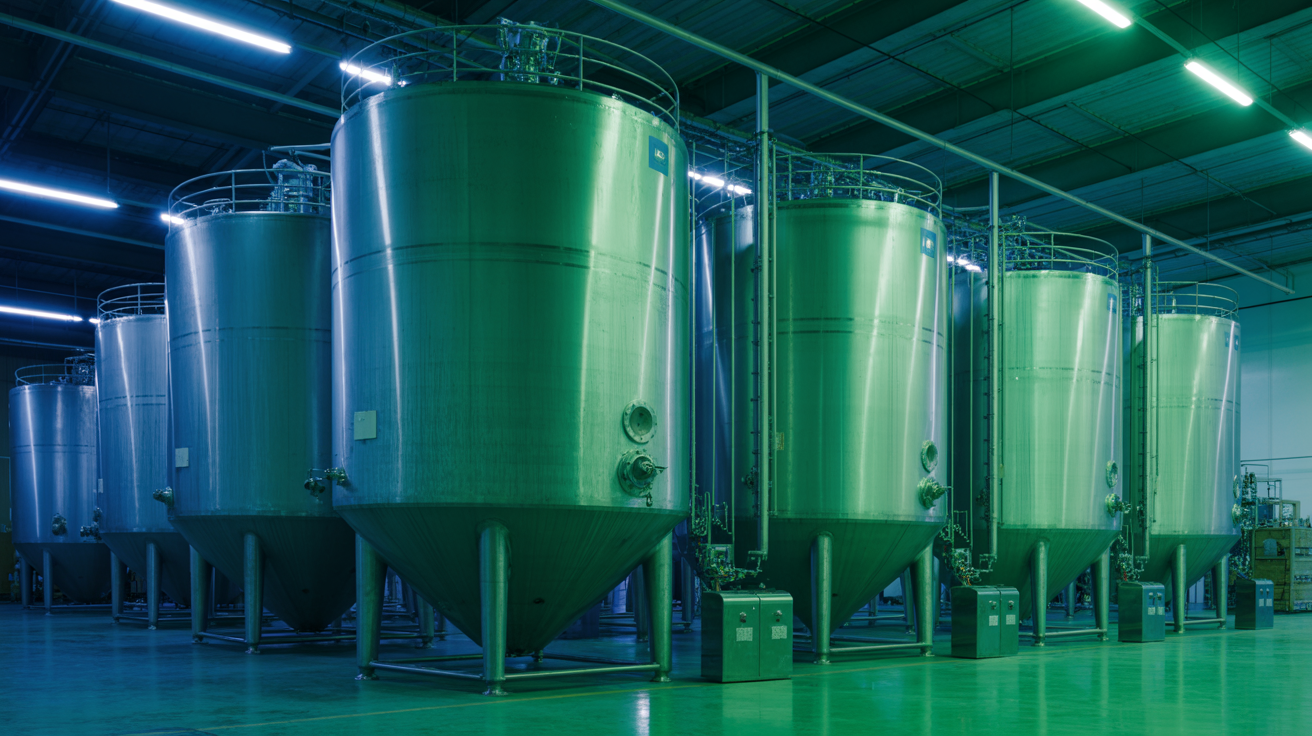
Biomass fermentation utilizes the rapid growth of microorganisms to produce large quantities of protein-rich biomass. Unlike precision fermentation, the entire microorganism is harvested and processed, making it a highly efficient method for generating protein at scale. This approach leverages fungi, bacteria, and yeast to convert simple sugars and other feedstocks into nutritious, high-protein food ingredients.
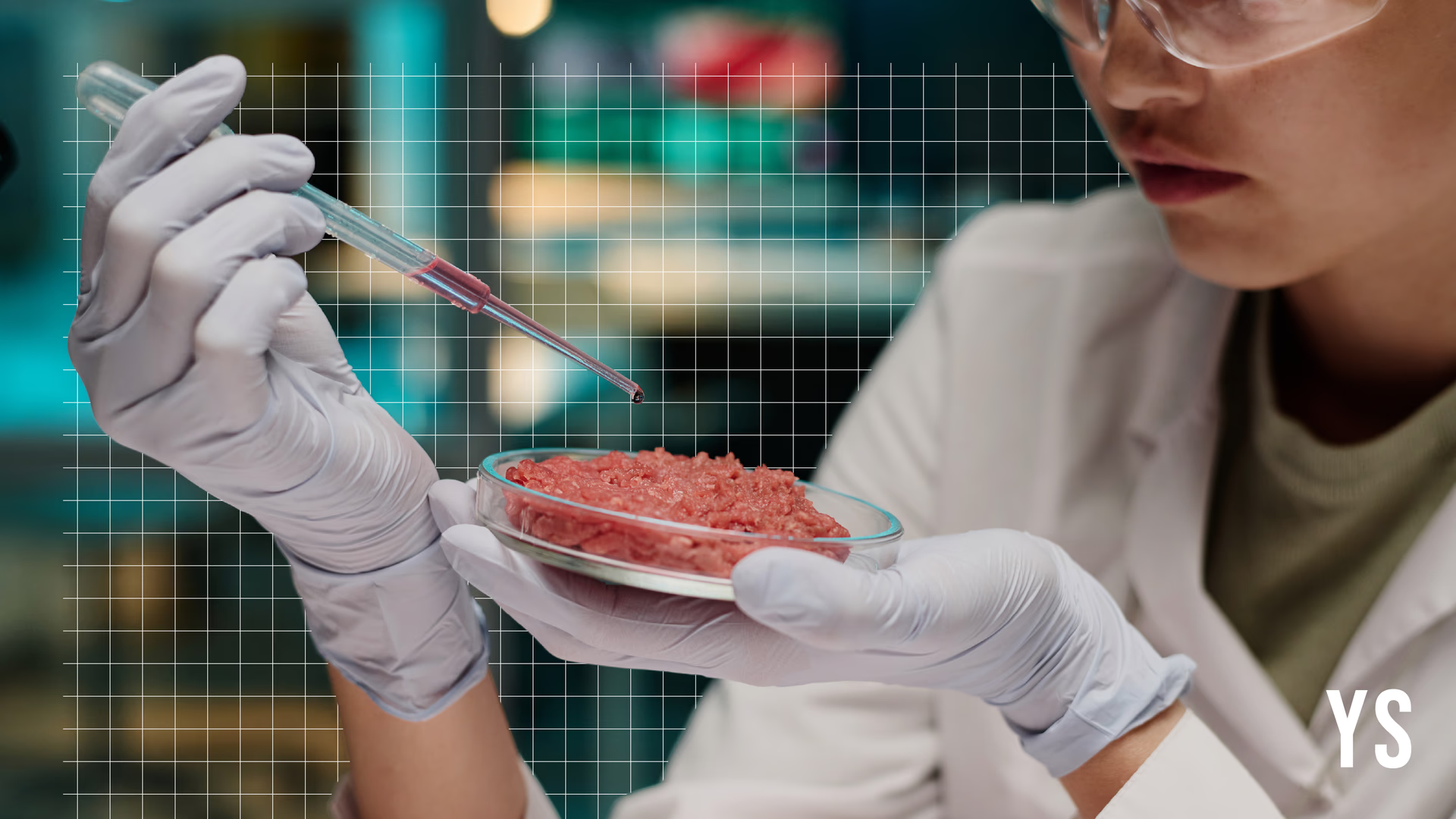
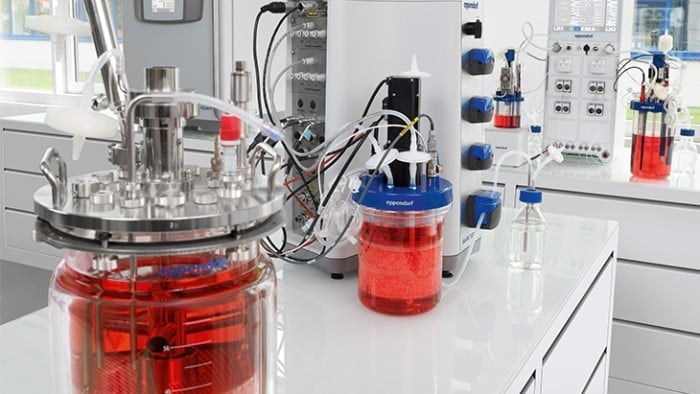
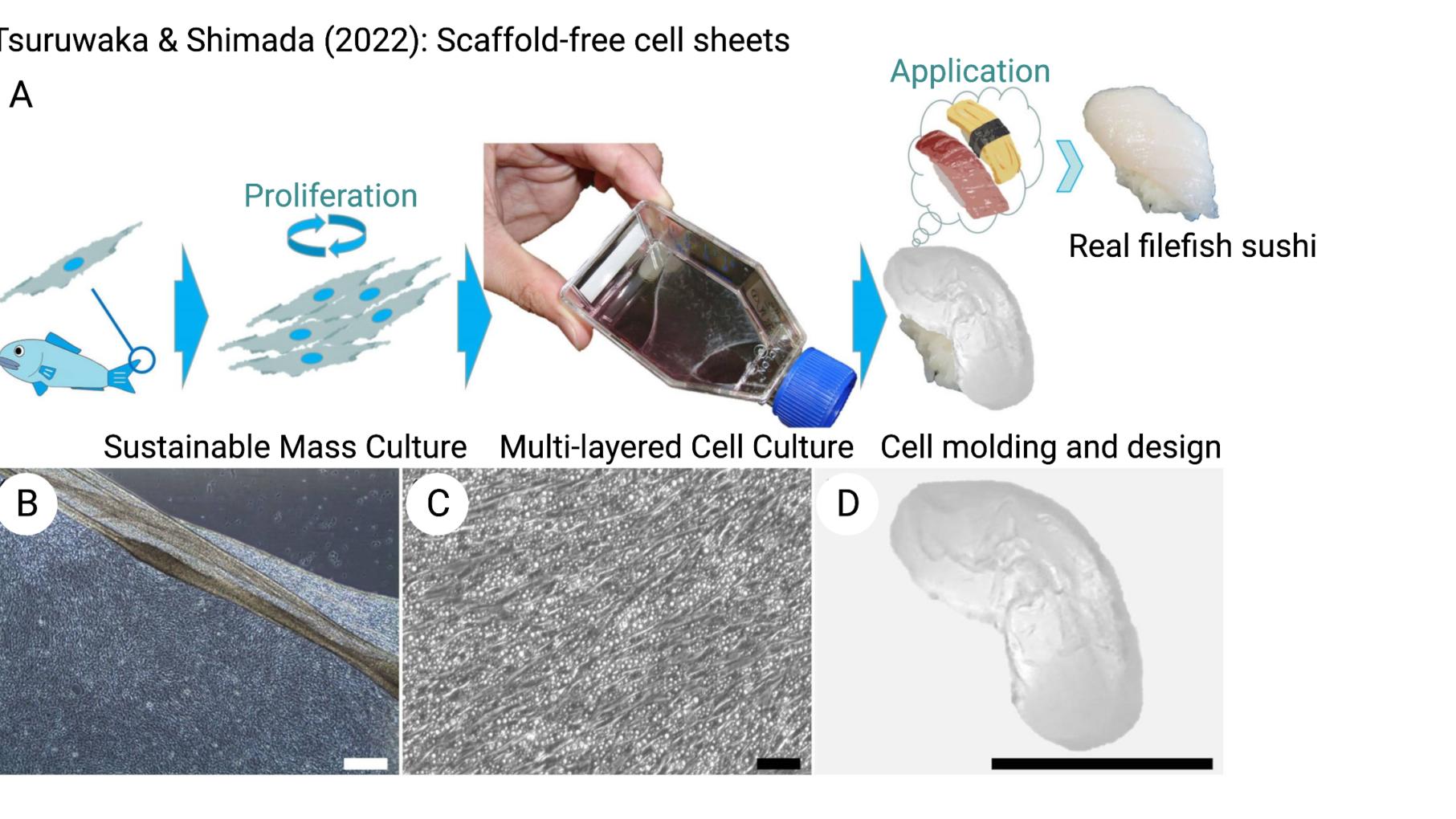
Cultivated meat (also known as cell-cultured meat or lab-grown meat) is genuine animal meat produced by cultivating animal cells in a controlled environment. This technology eliminates the need to raise and slaughter animals, offering a more sustainable and ethical approach to meat production. The process involves taking a small sample of cells and growing them in a nutrient-rich medium within bioreactors, creating real animal tissue.
Insect protein is derived from the farming and processing of various insect species, primarily black soldier fly larvae, mealworms, and crickets. Insects are one of the most resource-efficient protein sources on the planet, requiring significantly less land, water, and feed compared to conventional livestock. The industry is rapidly scaling with automated farming systems and advanced processing technologies.
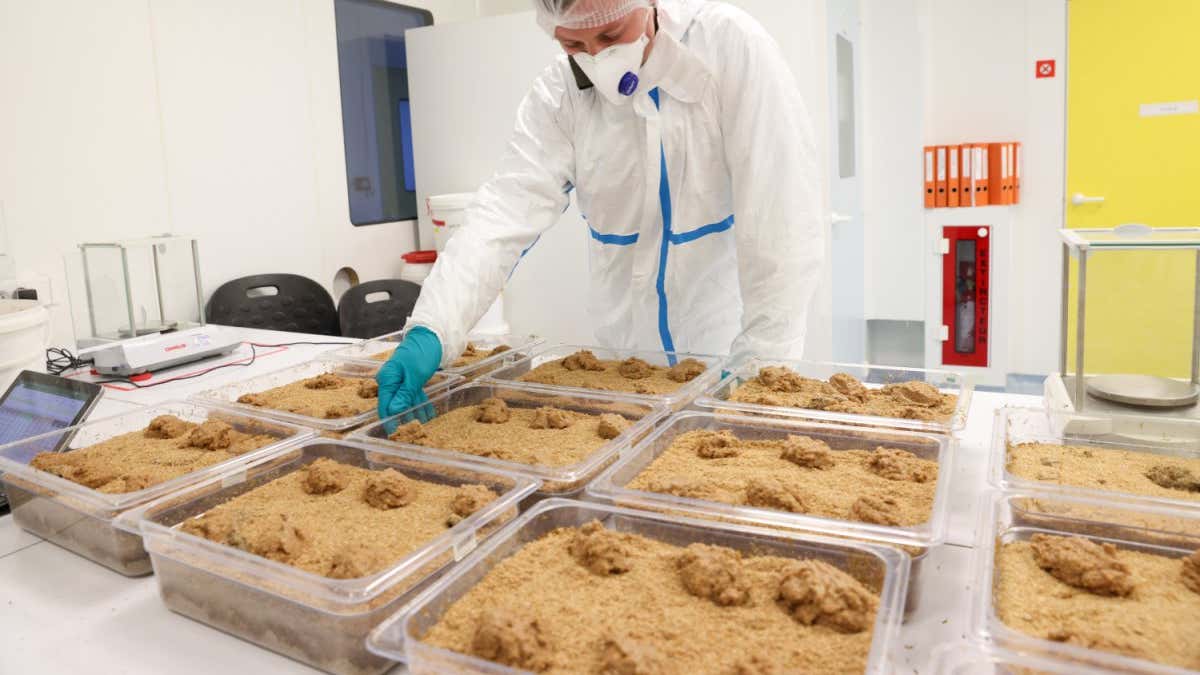
Mycoprotein is a protein-rich food source made from naturally occurring fungi, primarily Fusarium venenatum. It is produced through biomass fermentation where the fungus is grown continuously in large fermenters. Mycoprotein has a naturally fibrous structure that closely mimics the texture of meat, making it an excellent base for meat alternatives. It is high in protein, low in fat, and contains all essential amino acids.
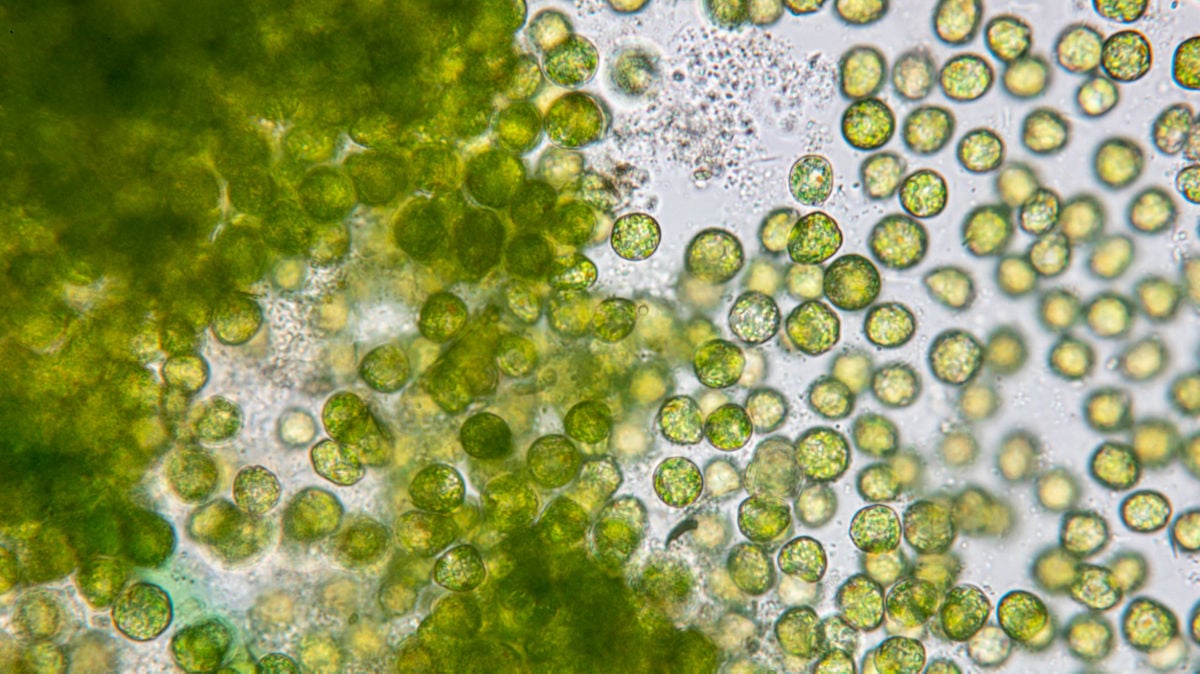
Algae protein is derived from microalgae and macroalgae (seaweed), some of the fastest-growing organisms on Earth. Microalgae like Spirulina and Chlorella have been consumed for centuries and contain 50-70% protein by dry weight. Modern cultivation systems using photobioreactors and open ponds enable large-scale production of algal biomass for food, feed, and nutraceutical applications.
Hybrid systems combine two or more alternative protein production methods to create products that leverage the strengths of each technology. For example, combining plant-based textures with precision fermentation-derived fats and flavors, or blending cultivated meat cells with plant-based scaffolds. These integrated approaches aim to deliver superior taste, texture, nutrition, and cost efficiency compared to single-technology solutions.
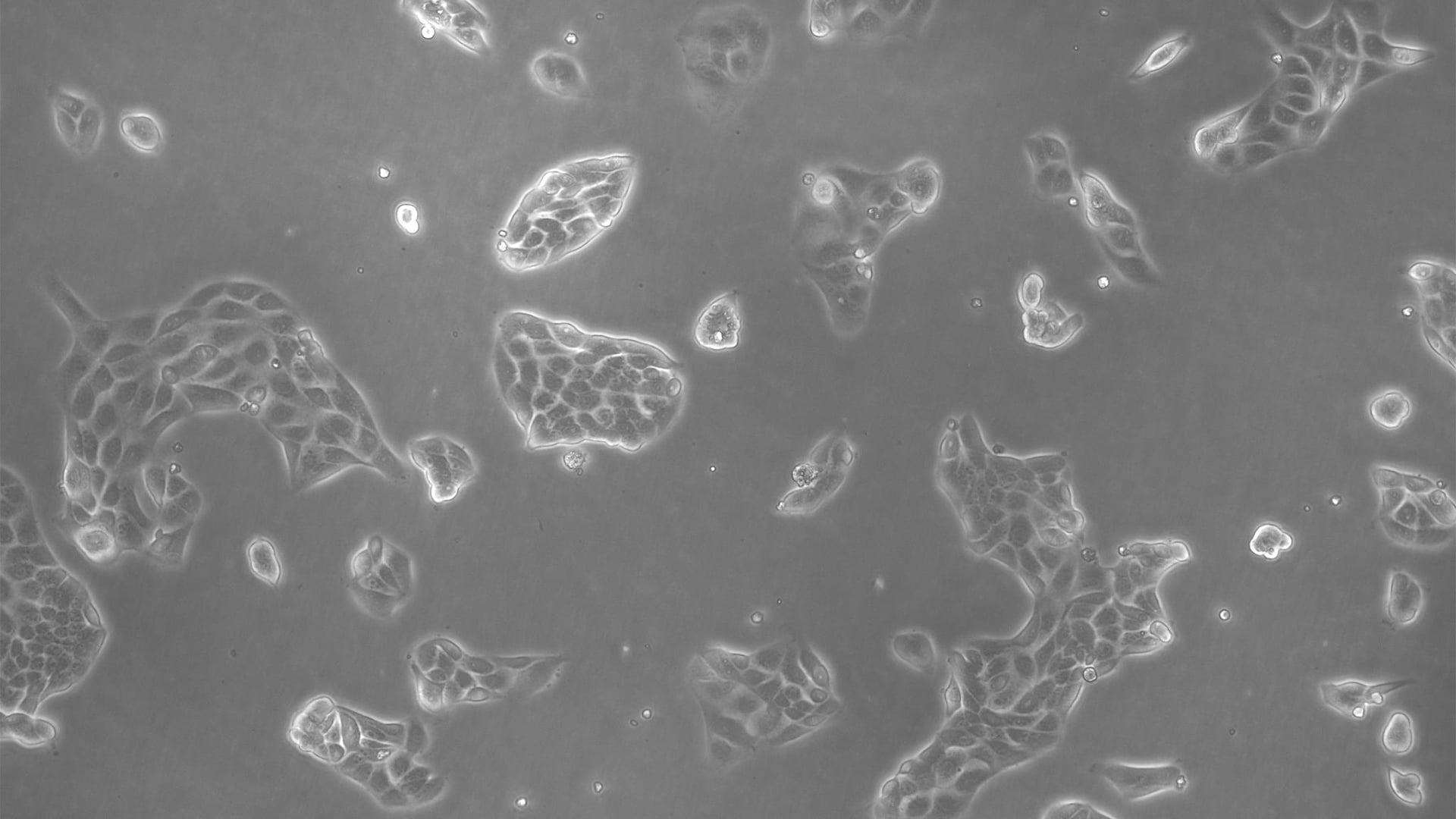
Cell line development is the foundational process for cultivated meat production, involving the isolation, characterization, and immortalization of animal cells suitable for large-scale cultivation. This includes establishing primary cell cultures from tissue biopsies, developing stable cell lines that can proliferate indefinitely, and optimizing cell characteristics for food production such as growth rate, differentiation capacity, and nutritional profile.
Protein texturization encompasses a range of technologies that convert protein isolates and concentrates into fibrous, meat-like structures. Methods include high-moisture extrusion (HME), low-moisture extrusion (TVP), shear cell technology, and electrospinning. These processes manipulate protein molecules through heat, pressure, and shear forces to create the fibrous architecture found in animal muscle tissue.
Growth media technologies focus on developing cost-effective, animal-free nutrient solutions that support cell growth and proliferation in cultivated meat and precision fermentation processes. The media is the single largest cost driver in cell culture, and innovations in serum-free, chemically-defined, and plant-based media formulations are critical to making cultivated products economically viable.
Scaffold technologies provide the three-dimensional structural framework that enables cultivated meat cells to organize into tissue-like architectures. Scaffolds mimic the extracellular matrix of animal tissues, guiding cell attachment, proliferation, and differentiation. Materials range from plant-based proteins and polysaccharides to synthetic polymers and decellularized plant structures.
Downstream processing encompasses all the unit operations required to recover, purify, and formulate the target product from fermentation broth or cell culture. In the alternative protein industry, this includes cell harvesting, lysis, filtration, chromatography, concentration, and drying. Efficient downstream processing is crucial for product quality and cost-effectiveness.
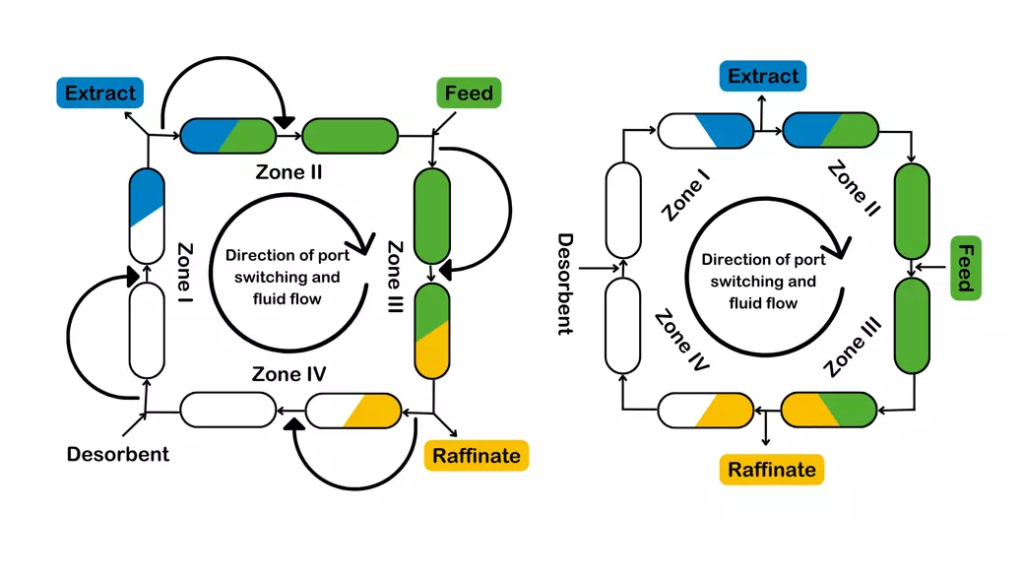
Separation and purification technologies are specialized unit operations that isolate target molecules from complex mixtures. In alternative protein production, these technologies include membrane filtration (micro, ultra, nano), centrifugal separation, chromatographic methods, and precipitation techniques. They are essential for achieving food-grade purity levels.
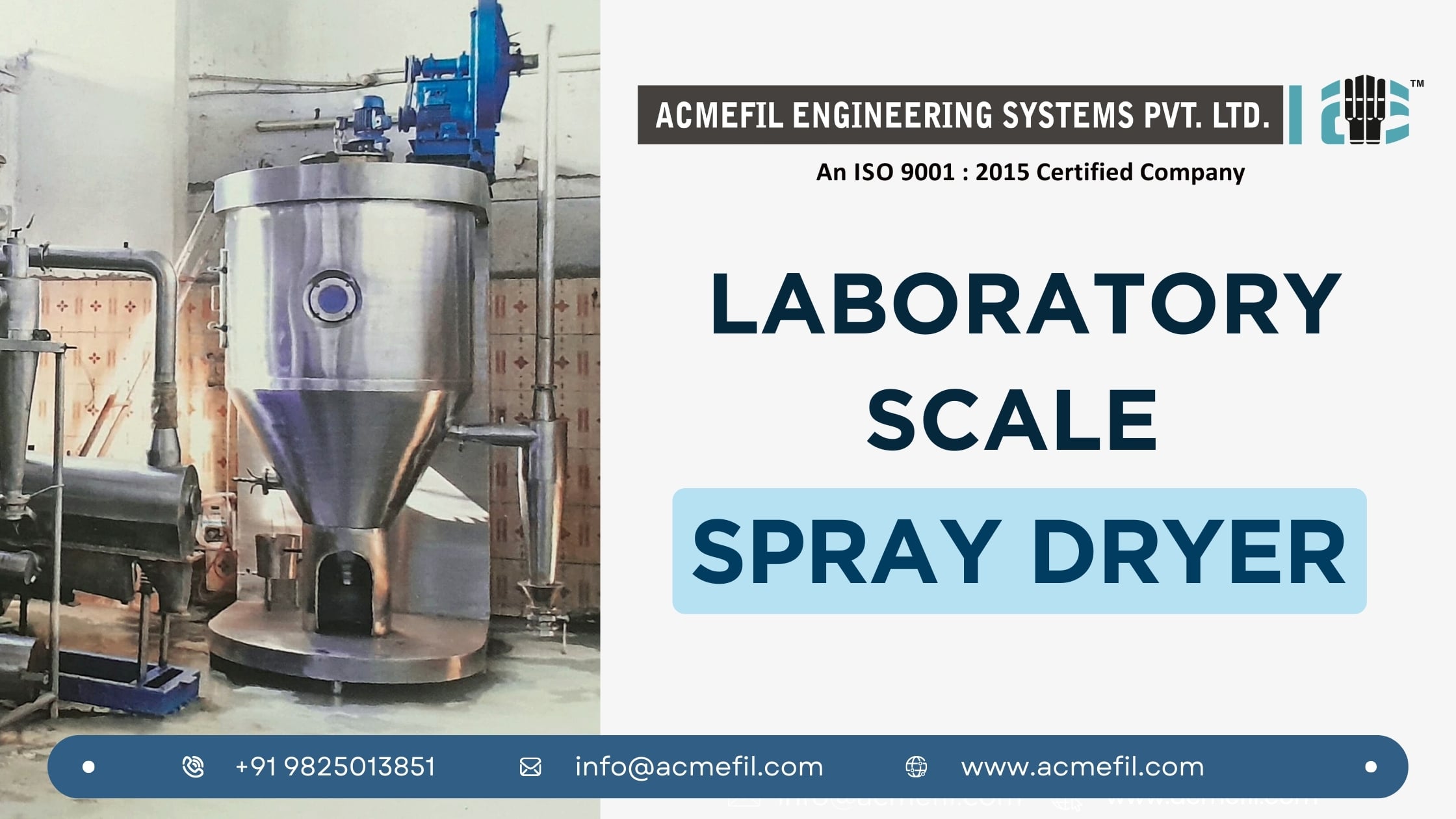
Drying technologies convert wet protein products into stable powders or dried forms for storage, transport, and further processing. Key methods include spray drying, freeze drying (lyophilization), drum drying, and fluidized bed drying. The choice of drying method significantly impacts product quality, functionality, and cost.
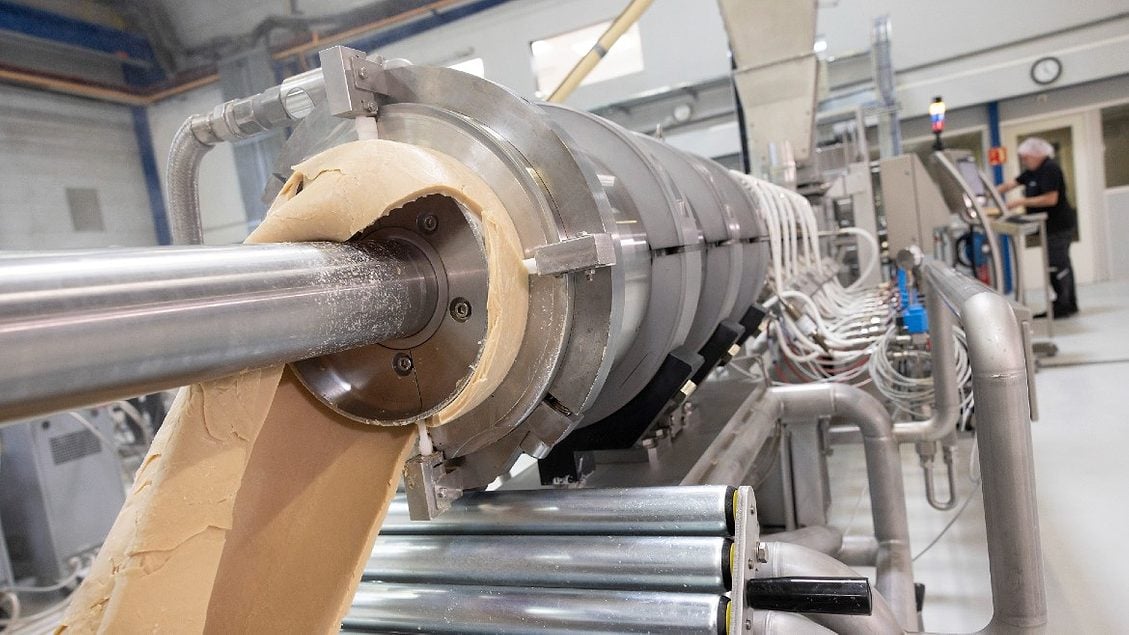
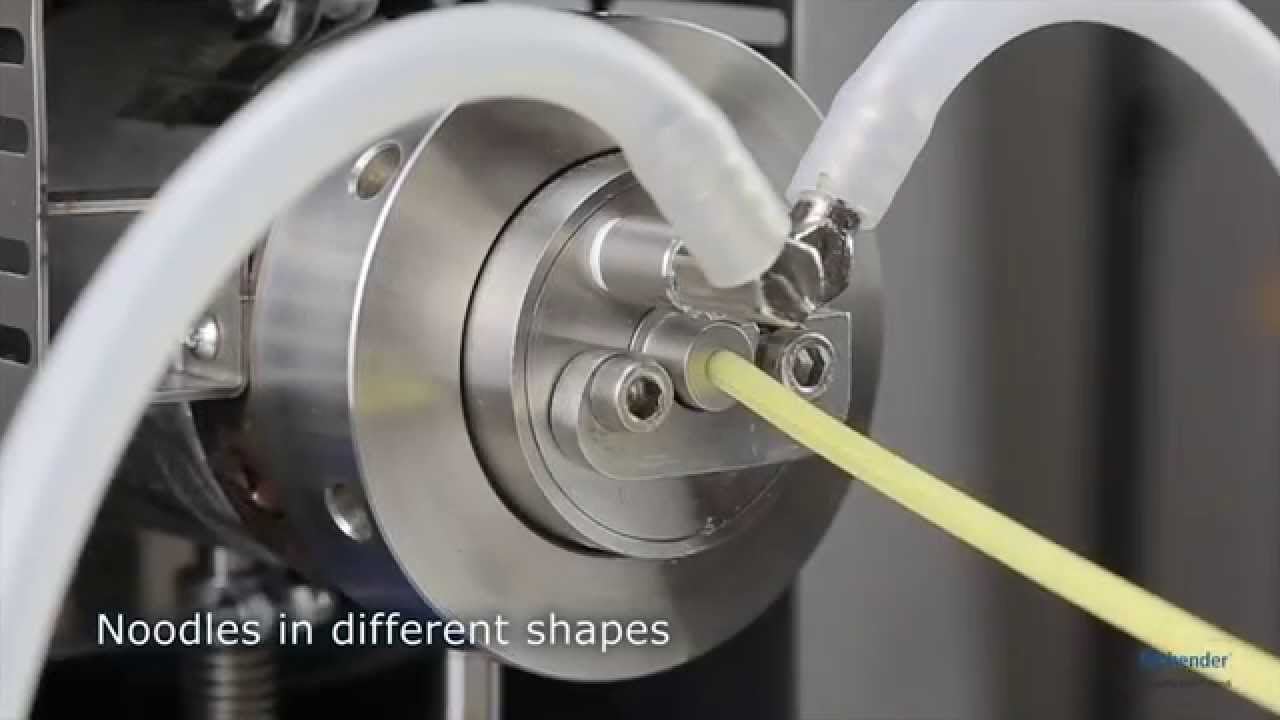
Extrusion technologies use mechanical energy, heat, and moisture to transform raw protein materials into structured food products. Twin-screw and single-screw extruders are the workhorses of the plant-based meat industry, producing both textured vegetable protein (TVP) and high-moisture meat analogues (HMMA). Modern extrusion lines can achieve throughputs of several tons per hour.
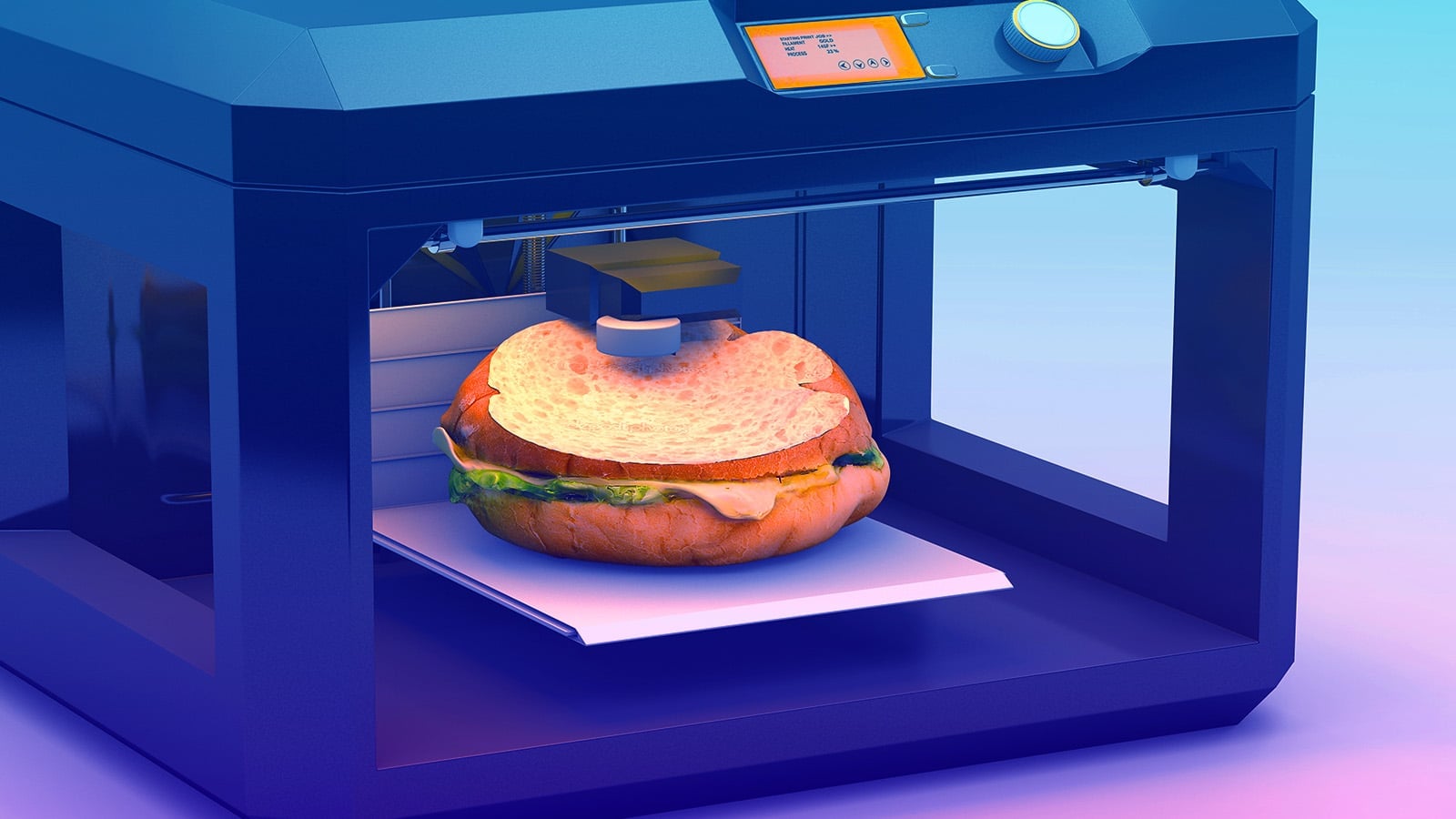
Food structuring technologies create complex multi-component food architectures using methods like 3D food printing, electrospinning, and microencapsulation. These enable the creation of products with precise control over texture, flavor distribution, and nutritional composition. 3D food printing is particularly promising for creating whole-cut meat analogues with realistic marbling patterns.
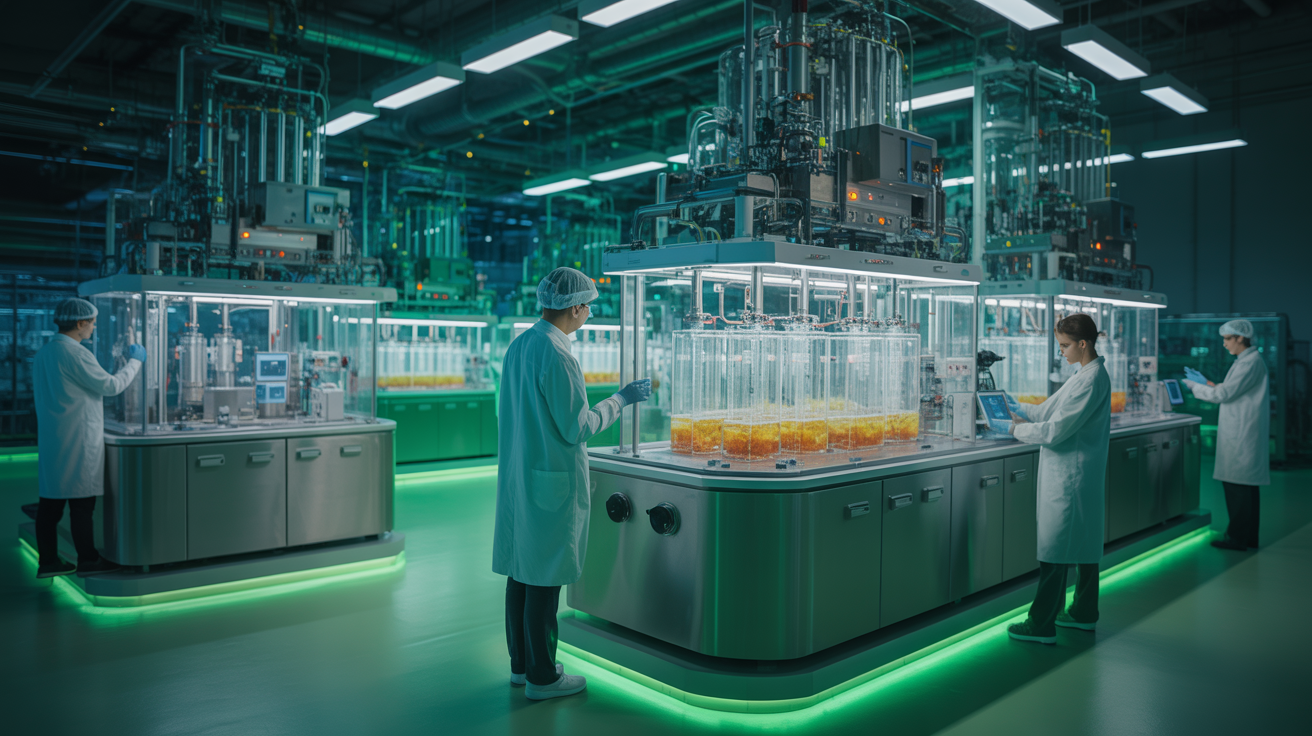
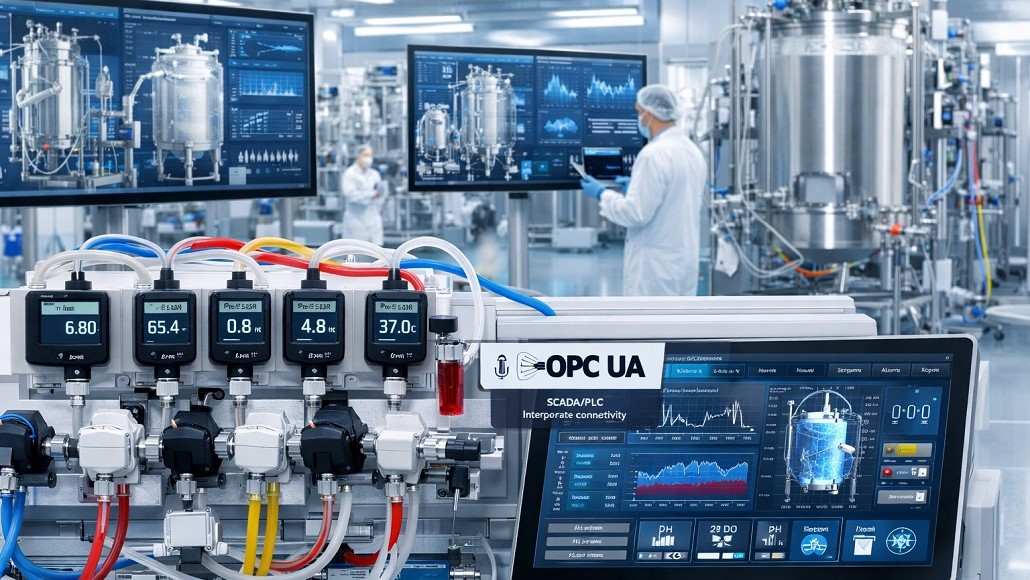
Bioprocess automation integrates sensors, actuators, SCADA systems, and AI/ML algorithms to monitor and control biological production processes in real-time. In alternative protein manufacturing, automation ensures consistent product quality, reduces human error, enables 24/7 operation, and optimizes yield through predictive process control.
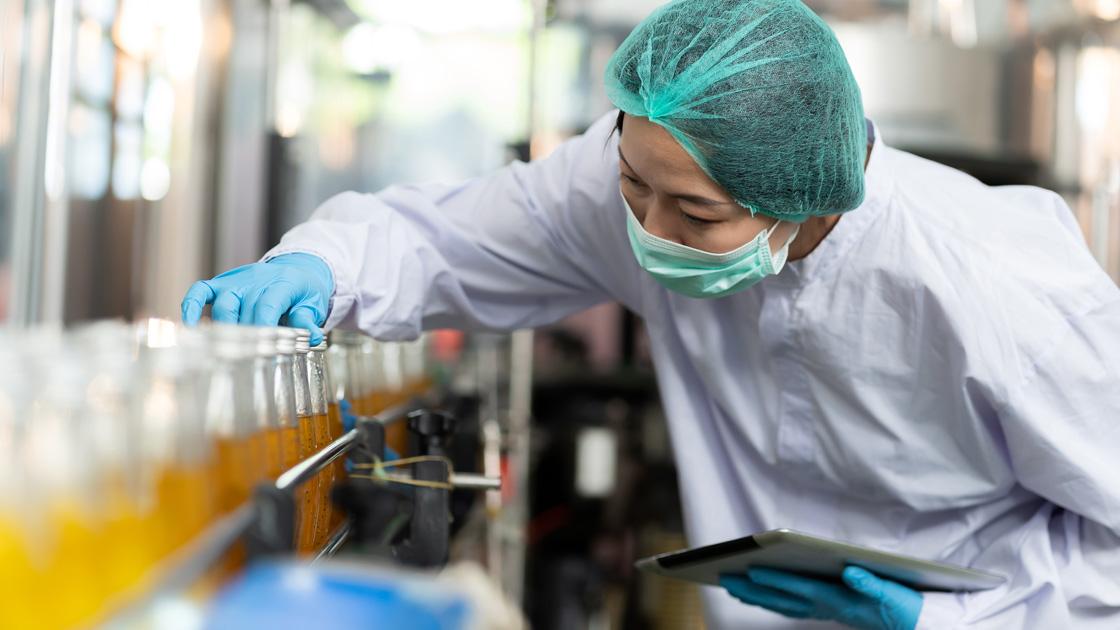
Quality Assurance/Quality Control and food safety technologies ensure that alternative protein products meet regulatory standards and consumer expectations. This encompasses analytical testing (composition, allergens, contaminants), process validation, traceability systems, and compliance with regulations like FDA, EFSA, and local food safety authorities. As novel food products, alternative proteins face heightened regulatory scrutiny.