All Technologies
Food Structuring Technologies
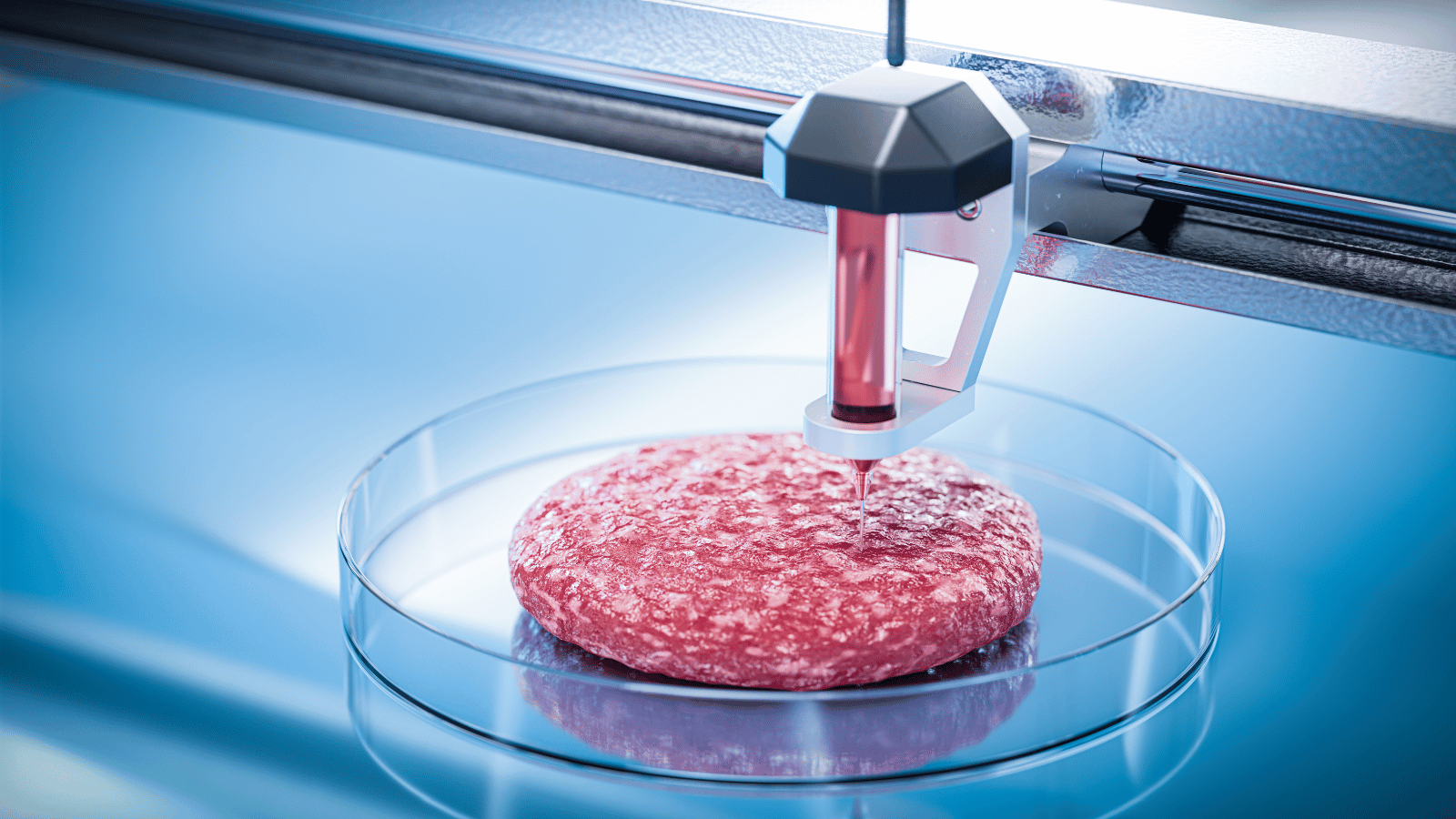
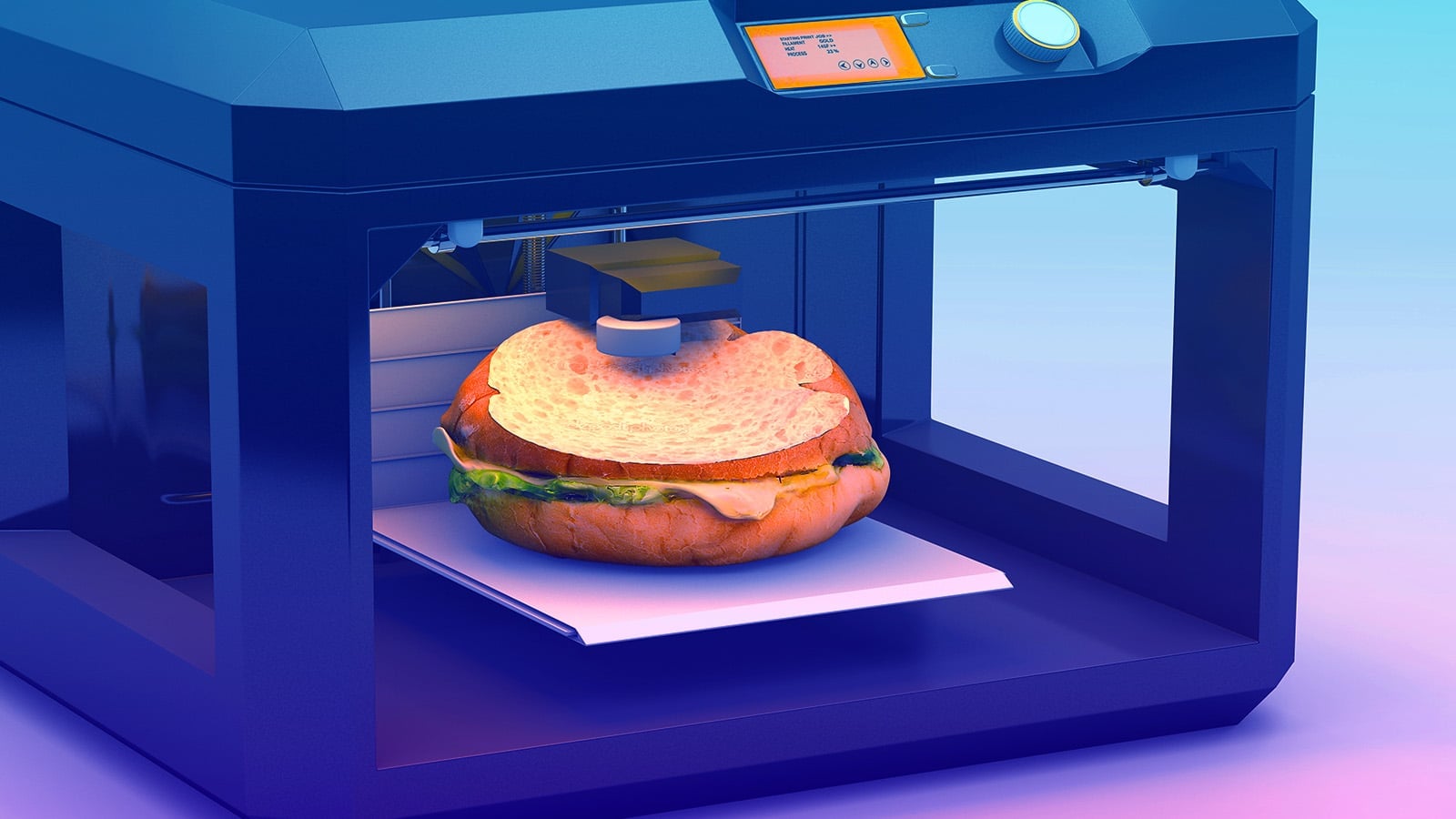
Food structuring technologies create complex multi-component food architectures using methods like 3D food printing, electrospinning, and microencapsulation. These enable the creation of products with precise control over texture, flavor distribution, and nutritional composition. 3D food printing is particularly promising for creating whole-cut meat analogues with realistic marbling patterns.
Process Overview
- 1Material Preparation: Formulate printable or processable inks
- 2Digital Design: Create 3D models of food structures
- 3Fabrication: Print or assemble layer by layer
- 4Post-processing: Cook, set, or cure the structure
- 5Quality Check: Verify texture and composition
Key Equipment
- 3D food printers
- Electrospinning equipment
- Microencapsulation systems
- Precision depositing machines
- CAD/CAM software systems
Applications
- Whole-cut meat analogues with marbling
- Personalized nutrition products
- Novel food textures and shapes
- Edible packaging
Benefits
- Precise control over food architecture
- Customizable per consumer
- Creates novel products not possible otherwise
- Reduced food waste through precision
Challenges
- Low throughput vs. conventional methods
- Limited material options
- High equipment costs
- Consumer acceptance of "printed" food