All Technologies
Protein Texturization
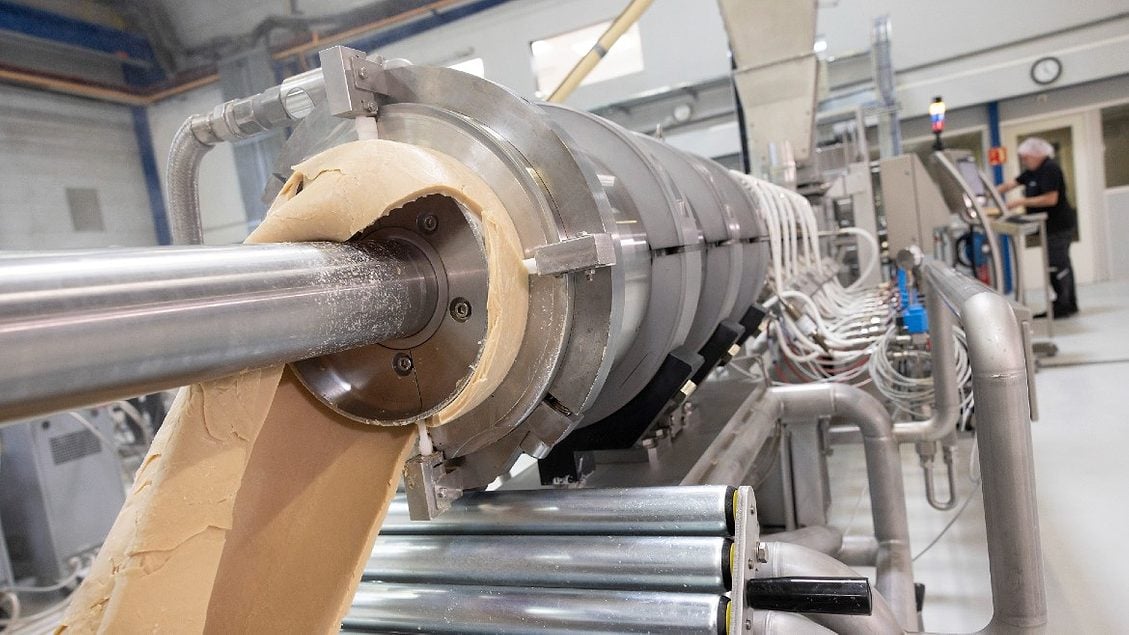
Protein texturization encompasses a range of technologies that convert protein isolates and concentrates into fibrous, meat-like structures. Methods include high-moisture extrusion (HME), low-moisture extrusion (TVP), shear cell technology, and electrospinning. These processes manipulate protein molecules through heat, pressure, and shear forces to create the fibrous architecture found in animal muscle tissue.
Process Overview
- 1Protein Preparation: Isolate and concentrate source proteins
- 2Hydration & Mixing: Combine with water, fats, and binding agents
- 3Texturization: Apply heat, pressure, and shear via extrusion or shear cell
- 4Cooling & Setting: Cool under pressure to lock in fibrous structure
- 5Post-processing: Cut, season, and package
Key Equipment
- Twin-screw extruders
- Shear cell devices
- Cooling dies
- Protein mixers
- Cutting and forming lines
Applications
- Whole-muscle meat analogues
- Textured vegetable protein (TVP)
- Fibrous plant-based fillets
- Jerky and snack products
Benefits
- Creates realistic meat-like texture
- Works with diverse protein sources
- Scalable industrial processes
- Continuous production possible
Challenges
- Texture consistency at scale
- Limited protein source compatibility
- High equipment investment
- Cooling die technology optimization