All Technologies
Hybrid Systems
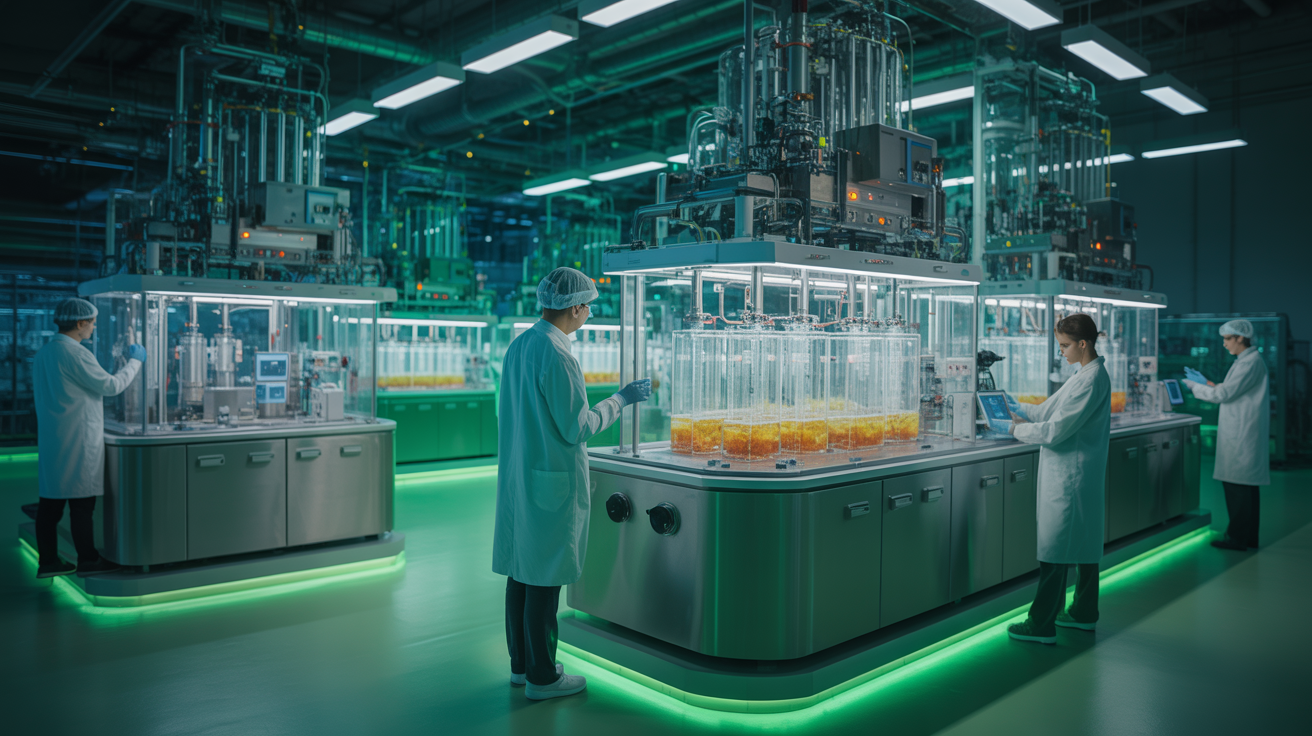
Hybrid systems combine two or more alternative protein production methods to create products that leverage the strengths of each technology. For example, combining plant-based textures with precision fermentation-derived fats and flavors, or blending cultivated meat cells with plant-based scaffolds. These integrated approaches aim to deliver superior taste, texture, nutrition, and cost efficiency compared to single-technology solutions.
Process Overview
- 1Component Production: Manufacturing individual protein components
- 2Ingredient Optimization: Fine-tuning ratios and formulations
- 3Integration: Combining components using advanced processing
- 4Texturization: Creating desired final texture
- 5Quality Control: Ensuring consistency and safety
Key Equipment
- Multi-process production lines
- Blending and mixing systems
- Extrusion equipment
- Bioreactors for fermentation components
- Advanced quality control instruments
Applications
- Next-generation meat alternatives
- Dairy hybrids
- Functional foods
- Customized nutrition products
Benefits
- Superior taste and texture profiles
- Cost optimization through component mixing
- Leverages best of multiple technologies
- Faster path to market
Challenges
- Complex supply chain management
- Regulatory complexity (multiple novel ingredients)
- Process integration difficulties
- Higher R&D investment