All Technologies
Algae Protein
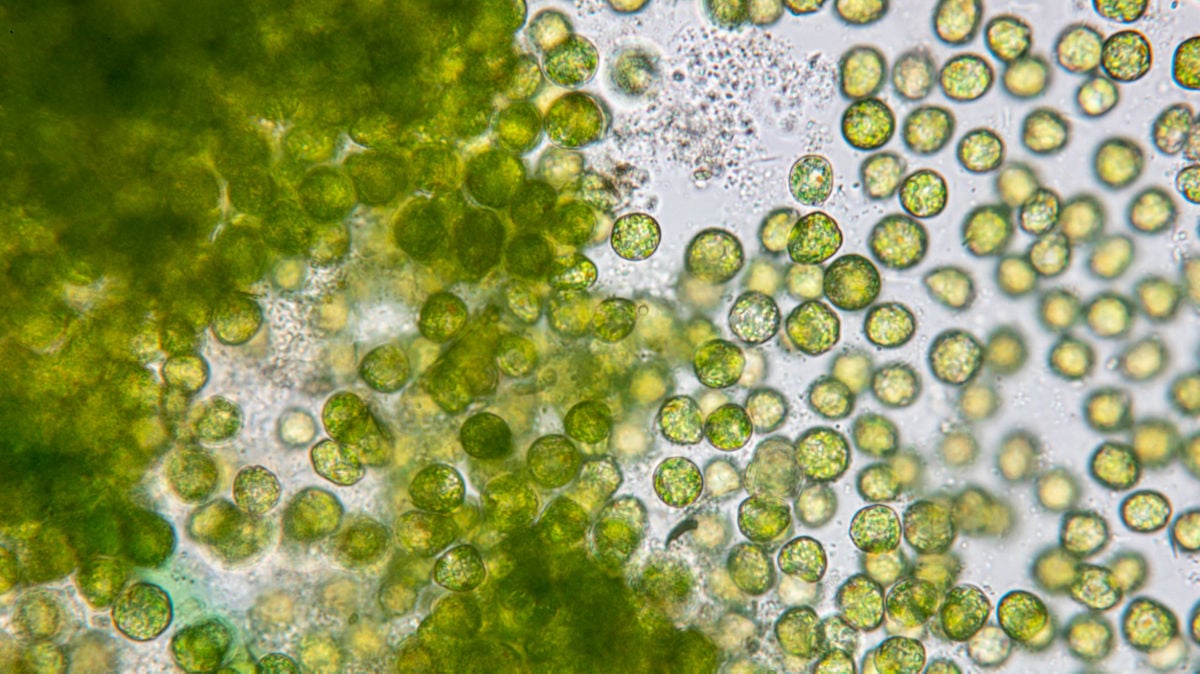
Algae protein is derived from microalgae and macroalgae (seaweed), some of the fastest-growing organisms on Earth. Microalgae like Spirulina and Chlorella have been consumed for centuries and contain 50-70% protein by dry weight. Modern cultivation systems using photobioreactors and open ponds enable large-scale production of algal biomass for food, feed, and nutraceutical applications.
Process Overview
- 1Strain Selection: Choosing optimal algae species
- 2Cultivation: Growing in photobioreactors or open ponds
- 3Harvesting: Separating algae from growth medium
- 4Drying: Removing moisture from biomass
- 5Extraction: Isolating protein and other compounds
Key Equipment
- Photobioreactors
- Open raceway ponds
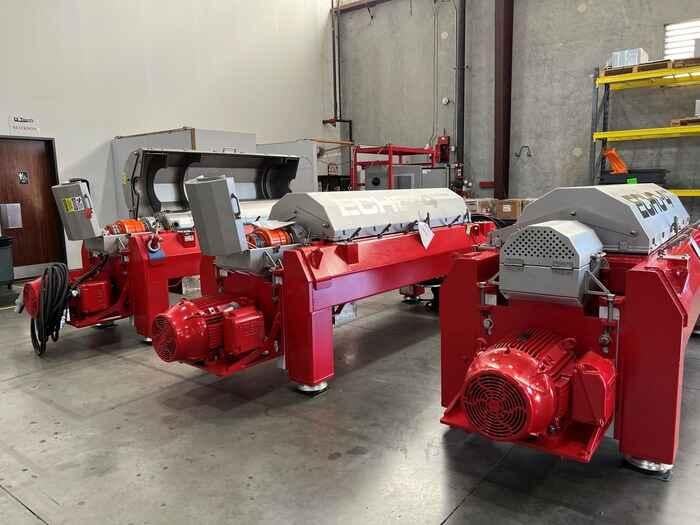
- Harvesting/filtration systems
- Spray dryers
- Extraction equipment
Applications
- Nutritional supplements (Spirulina, Chlorella)
- Food coloring and ingredients
- Animal and aquaculture feed
- Cosmetics and biofuels
Benefits
- Extremely high growth rates
- High protein content (50-70%)
- CO2 capture during growth
- Minimal land requirements
Challenges
- High production costs
- Contamination risks
- Taste and odor challenges
- Energy-intensive processing