A technical deep-dive into wet and dry extrusion processes for plant-based meat analogues, covering equipment selection, process parameters, and quality optimization.
Introduction to Extrusion
Extrusion is the cornerstone technology for creating plant-based meat analogues. The process involves forcing a protein-rich dough through a die under high temperature and pressure, creating fibrous textures that mimic animal meat.
Types of Extrusion
Low-Moisture Extrusion (LME)
Moisture content: 20–40%Produces TVP (Textured Vegetable Protein)Shelf-stable, requires rehydrationLower equipment cost
High-Moisture Extrusion (HME)
Moisture content: 40–80%Produces whole-muscle meat analoguesFresh/frozen product, better textureHigher equipment investment
Key Process Parameters
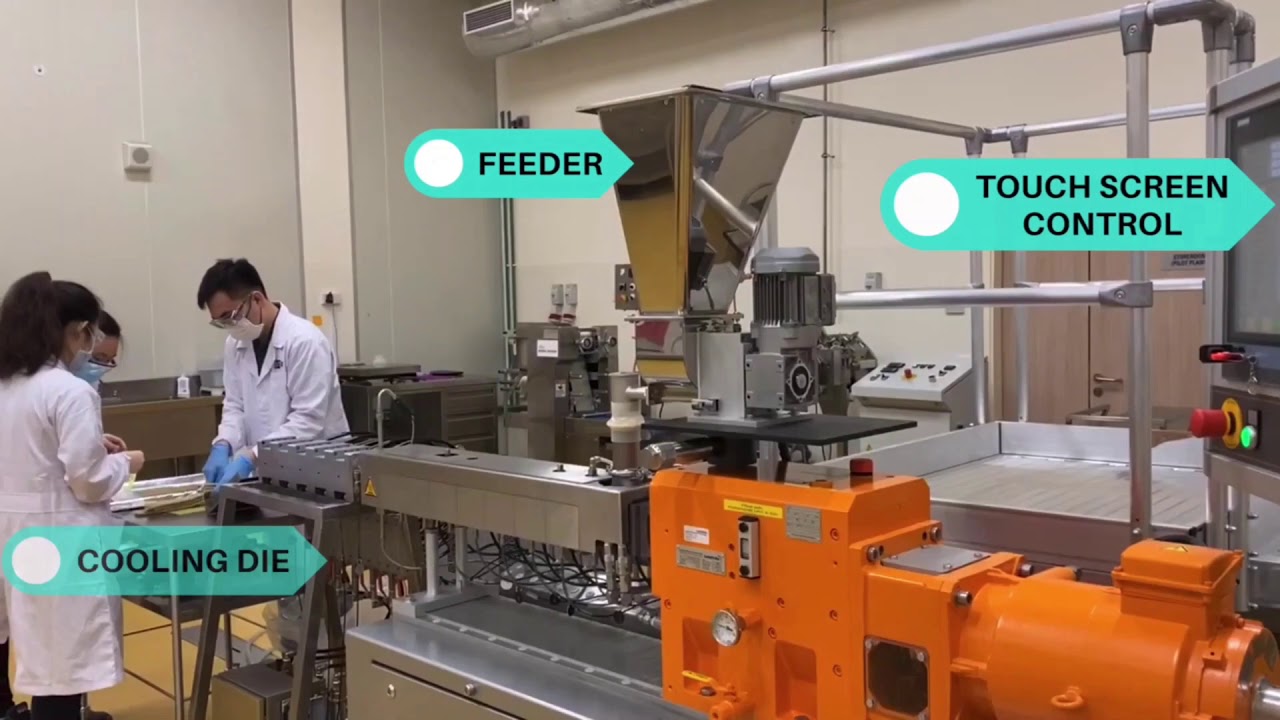
**Temperature**: 120–180°C for LME; 130–170°C for HME**Pressure**: 20–50 bar**Screw speed**: 200–600 RPM**Feed rate**: Depends on barrel diameter**Cooling die length**: Critical for HME fiber formation
Protein Sources
Soy protein isolate (SPI) — most commonly usedPea protein isolateWheat glutenFaba bean proteinBlends for optimal texture and nutrition
Equipment Selection
Key factors when choosing an extruder:
Twin-screw vs. single-screw designBarrel L/D ratio (typically 25:1 to 40:1)Die configuration (slit die for HME)Throughput capacityCIP capabilityVendor support and spare parts availability