What is Cultivated Meat?
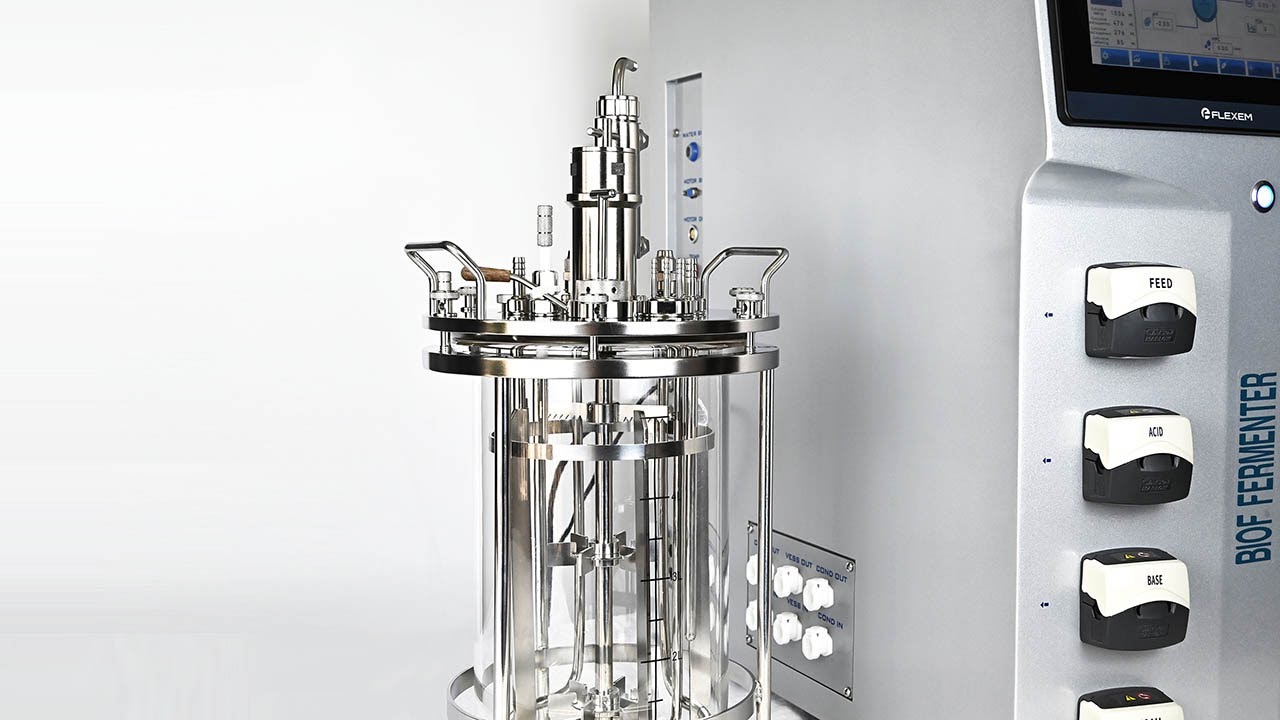
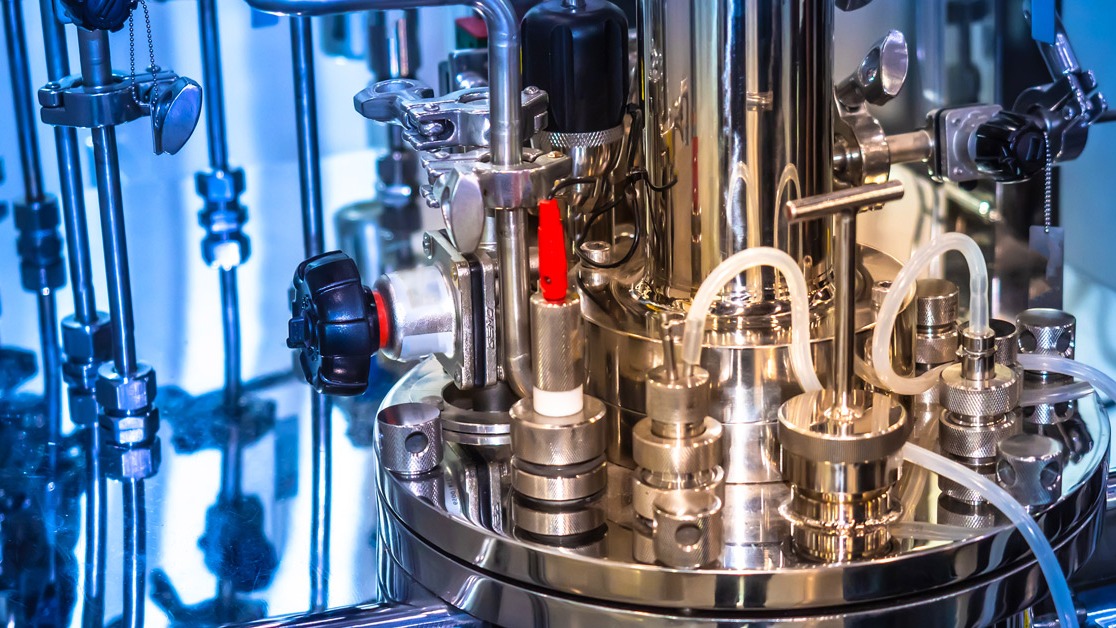
Cultivated meat (also called cell-based or cultured meat) is real animal meat produced by growing animal cells directly, without the need to raise and slaughter animals. The process begins with a small sample of cells taken from an animal, which are then multiplied in a bioreactor.
The Production Process
1. Cell Line Establishment
Cells are harvested from a living animal (via biopsy) and immortalized to create a stable cell line. Common cell types include:
2. Cell Proliferation
Cells are grown in bioreactors with a growth medium containing amino acids, sugars, vitamins, and growth factors.
3. Differentiation
Once enough cells are produced, they are triggered to differentiate into muscle fibers, fat tissue, or connective tissue.
4. Harvesting & Processing
The matured tissue is harvested, combined with plant-based ingredients if needed, and formed into final products.
Key Challenges
Regulatory Status
Market Potential
The cultivated meat market is expected to reach $25 billion by 2030 as production costs decrease and consumer acceptance grows.