What is Precision Fermentation?
Precision fermentation is a technology that uses microorganisms — such as yeast, fungi, or bacteria — as "cell factories" to produce specific functional ingredients. Unlike traditional fermentation (which makes beer, cheese, or yogurt), precision fermentation is engineered at the genetic level to produce target molecules like whey protein, casein, collagen, or heme.
How Does It Work?
Step 1: Genetic Engineering — The desired gene (e.g., for bovine casein) is inserted into a host microorganism.
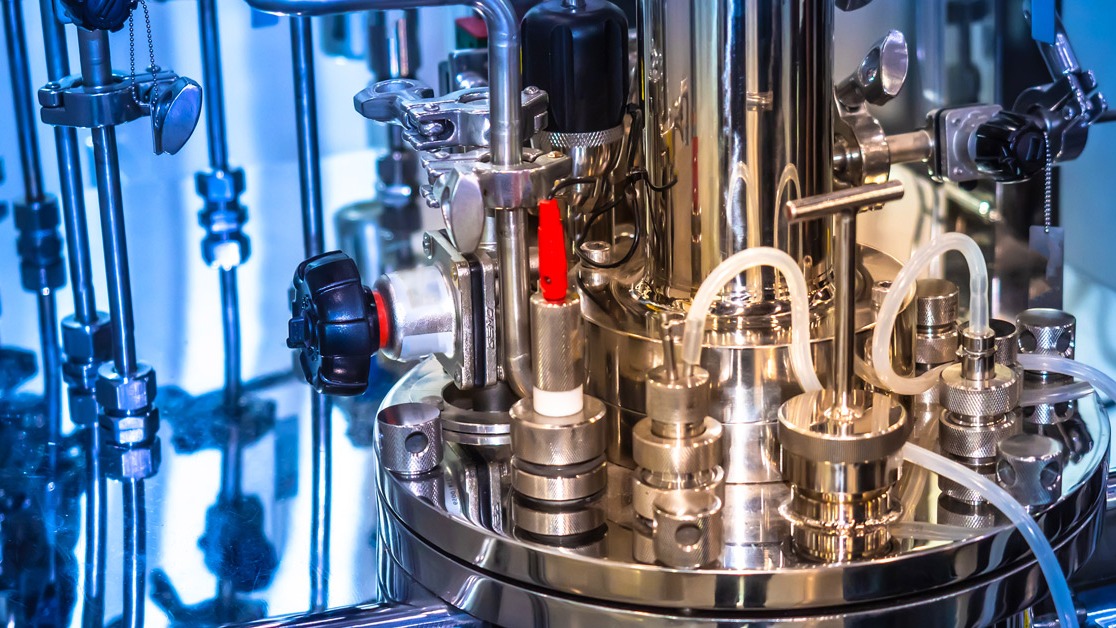
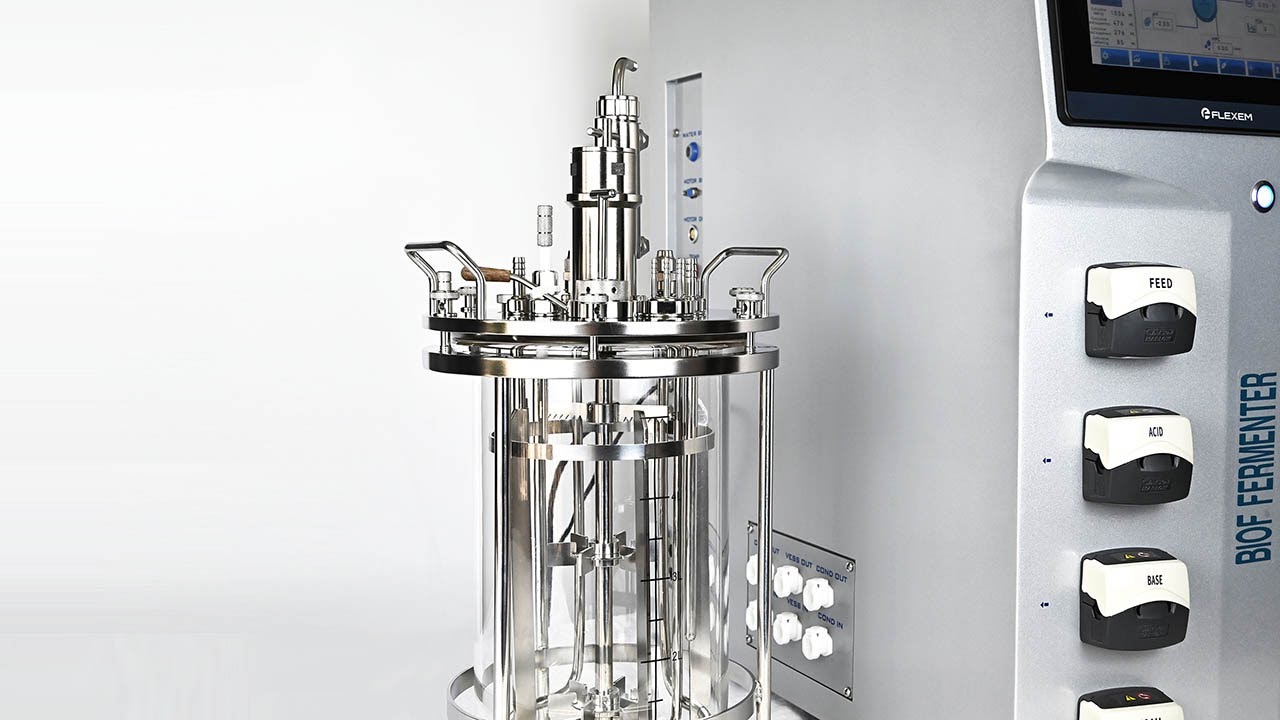
Step 2: Fermentation — The engineered microorganism is grown in large bioreactors, fed with sugars and nutrients.
Step 3: Harvesting — The target protein is secreted into the fermentation broth and then separated and purified.
Step 4: Processing — The purified ingredient is dried, standardized, and prepared for food applications.
Key Advantages
Industry Leaders
Companies like Perfect Day, Remilk, New Culture, and Formo are pioneering this technology, with products already on supermarket shelves in several countries.
Equipment Requirements
A typical precision fermentation facility requires:
Market Outlook
The precision fermentation market is projected to reach $36 billion by 2030, growing at a CAGR of over 40%. Regulatory approvals in the US, EU, and Asia are accelerating commercialization.